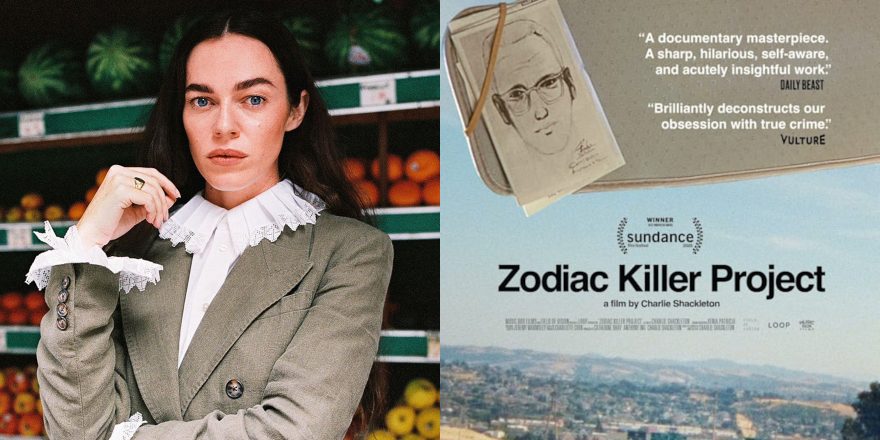


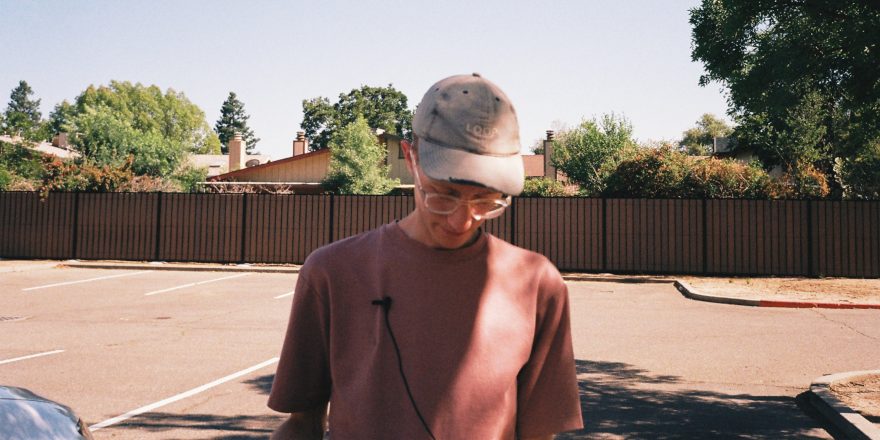
Charlie Shackleton is a London-based filmmaker and film critic. His new film, Zodiac Killer Project, premiered at the 2025 Sundance Film Festival, where it won the NEXT Innovator Award, and is out now on digital. His other recent projects include This Land, a radio documentary produced with Eleanor McDowall for Radio 4, and the short films Camera Test (King Cadbury) and Lateral. His previous work as a filmmaker includes the features Beyond Clueless (2014) and Fear Itself (2015), the shorts Copycat (2015), Blackout (2016) and Fish Story (2017), and the 10-hour protest film Paint Drying (2016). Visit his personal website for more info. (Photograph by Mia Mullarkey.)
3 August, 2022
I had been developing a true-crime documentary about the Zodiac Killer for the best part of a year before I finally made it out to his hunting ground. A film of mine was screening at the Roxie in San Francisco and I was in town to do a Q&A, so one afternoon I took the ferry over to the small city of Vallejo, where the first two confirmed Zodiac attacks took place.
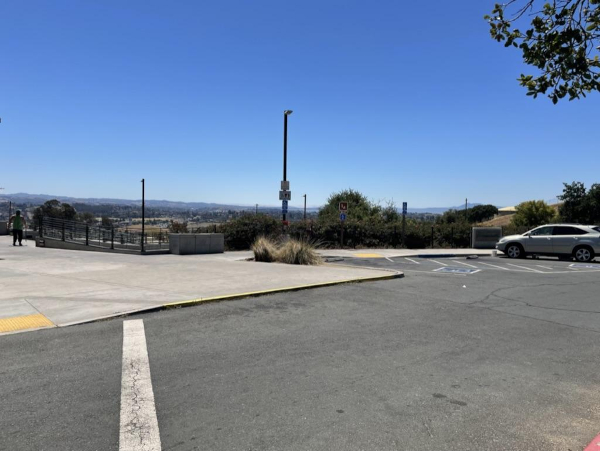
I toured around locations I knew extremely well from books, films and podcasts about the case, but had never seen with my own eyes, and was surprised how humdrum they were, devoid of the sinister aura afforded to them by the true-crime genre, and watched over not by dark clouds, but perfect blue skies.
The parking lot above was the most significant of all: the site of the first confrontation between my documentary’s protagonist – a California Highway Patrol officer named Lyndon Lafferty – and his suspect. At the time, I was deep into negotiations with Lafferty’s family for the rights to his memoir, The Zodiac Killer Cover-Up, which details his lifelong quest to bring the infamous criminal to justice.
Later that very same day, I received the news that negotiations had fallen through, and I wouldn’t be getting the rights after all.
25 November, 2022
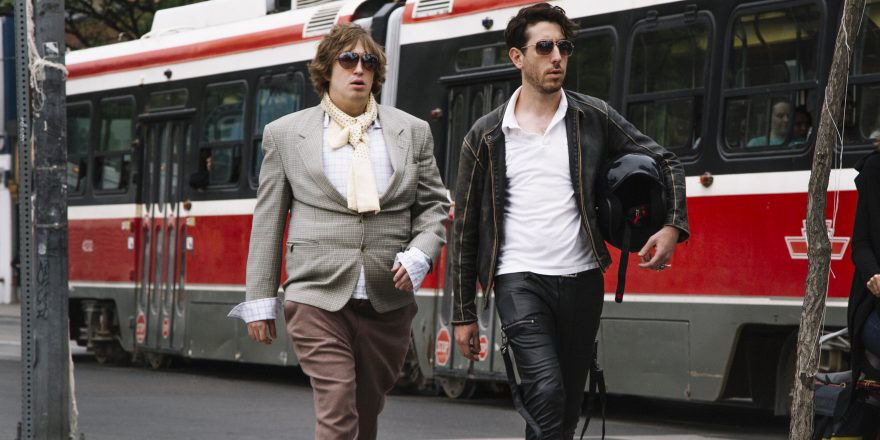
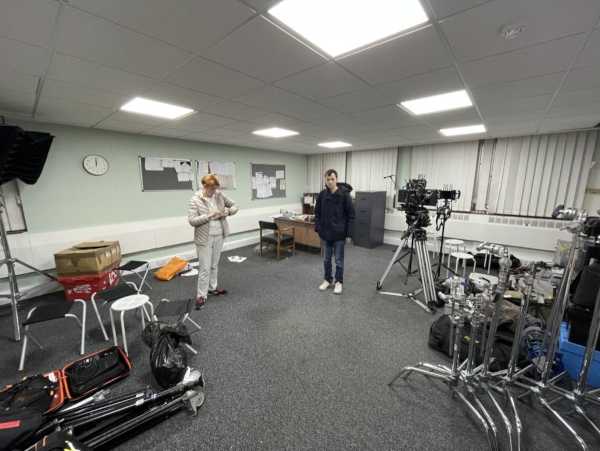
I moved on to other projects. That November, together with my producers Catherine Bray and Anthony Ing (pictured above), I built one corner of a 1990s British police station in a former NHS administrative office in South East London and shot test footage for a film about obscenity policing. But the abandoned true-crime documentary lingered in my mind.
I had made the fatal error of allowing myself to believe the film would happen long before it was a safe bet, and now I was walking around with the entire movie fully formed in my head, even as I reckoned with the fact that the film would never come to exist outside of it.
As I described the climactic second act of this phantom project to yet another patient friend in the pub that Christmas, I began to think that this creative frustration – the uncanny presence of a project that exists so vividly in the mind, but otherwise not at all – might itself be an interesting subject for film.
10 May, 2023
Six months later, my frustrations had mutated into an entirely new project: a film about my failed attempt to make a true-crime documentary. The plan was to revisit each of the locations I had scouted for my abandoned Zodiac Killer documentary the previous summer and capture them on film. Then, back in London, I would record myself describing each planned scene over this footage, creating a real-time recitation of the unrealized project.
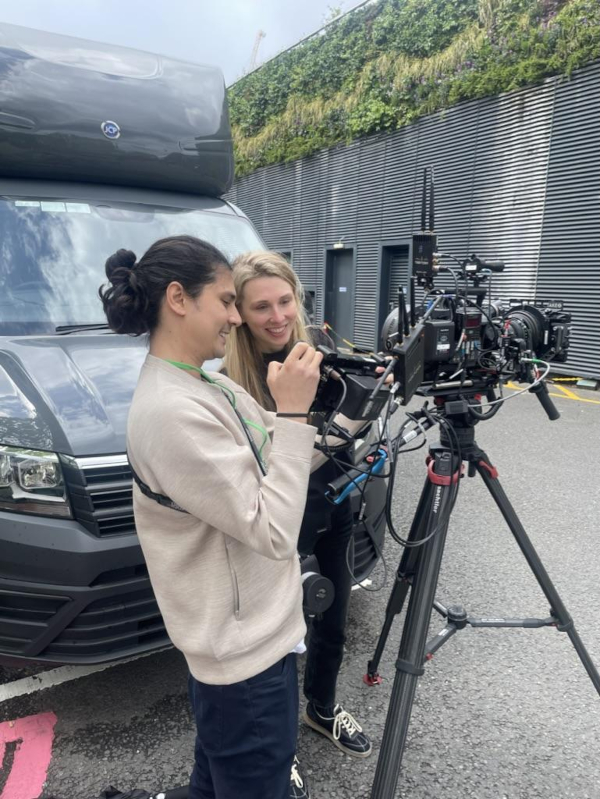
In discussions with cinematographer Xenia Patricia (pictured above with focus puller Alex Tan), I pondered how best to capture these spaces, devoid of all the action and spectacle I had once imagined unfolding within them. Thinking back to my previous visit, I recalled the aimlessness with which I stood and gazed around each unremarkable California locale. Together, Xenia and I devised a series of searching camera movements that she would perform in each location, keenly panning and zooming into the nothingness of empty space.
In the loading bay of camera rental firm Procam Take 2, we tested the movements ahead of our return to the United States. And after the company kindly offered up a roll of expired 16mm film for the test, we shot an impromptu short film at the same time. Sadly, and hopefully unrelated to this act of generosity, the firm went into administration later that summer.
17 June, 2023
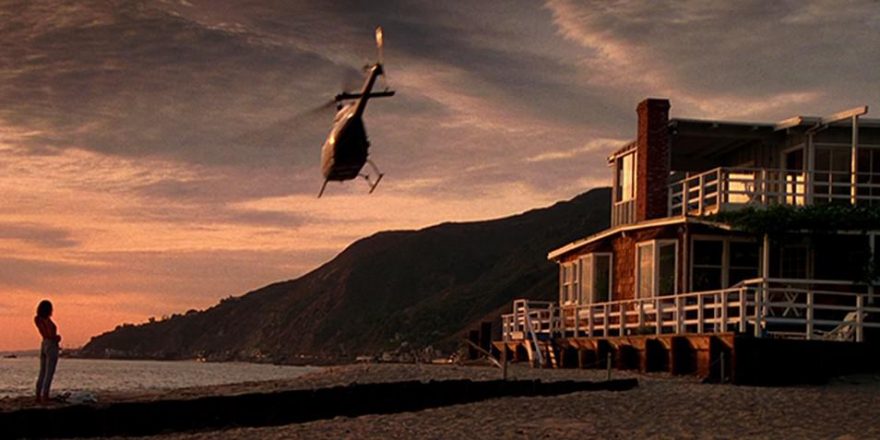
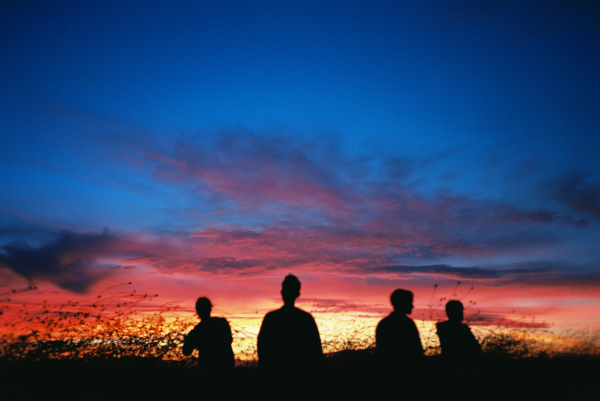
We didn’t take a lot of photos during our 10-day shoot, centered as it was on a series of largely unphotogenic parking lots, intersections and back alleys, but there was one evening that sent everyone reaching for their cameras. We had been filming POV driving footage from the passenger seat of our rental van, and as we hit the highway to get our last few shots, we were suddenly treated to the most ecstatically beautiful sunset any of us could recall.
The caution with which we had previously measured out our limited 16mm film stock was immediately thrown to the wind, as we burned through mag after mag with abandon, driving all the way to Vallejo’s city limits. There, we triumphantly leapt from the vehicle, watching on in awed silence as the last of the light bathed the exterior walls of an Amazon fulfillment center.
24 August, 2023
Back in London later that summer, having recorded my improvised voiceover narration – the unedited audio of which must surely have set a new record for most umms, ahhs and errs captured in a single sitting – we hired a studio in South London to shoot the final piece of the puzzle. Again and again in my narration, I had found myself describing specific shots I had imagined inserting into my Zodiac Killer documentary, if only I’d been able to see it to fruition. Now, I had the privilege of shooting them for real, albeit stripped of any narrative context.
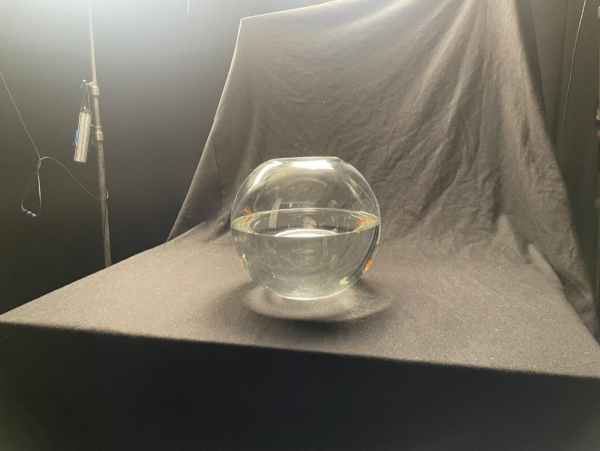
Most of what we shot was pulled from the collective unconscious of true crime – the falling bullet casings, misty car headlights and shadowy figures that make up the genre’s most ubiquitous visual tropes. But a more idiosyncratic set-up was especially close to my heart: a shot of two goldfish in a large glass bowl that formed the centerpiece of the unmade film’s most audacious set piece.
At the end of the day, my aunt Alison drove over to pick up the fish and rehome them in her garden pond. There was some skepticism that our aquatic stars would survive the transition to civilian life, but two years on, I’m pleased to confirm that they’re still swimming around happily with a school of orange offspring.
14 September, 2024
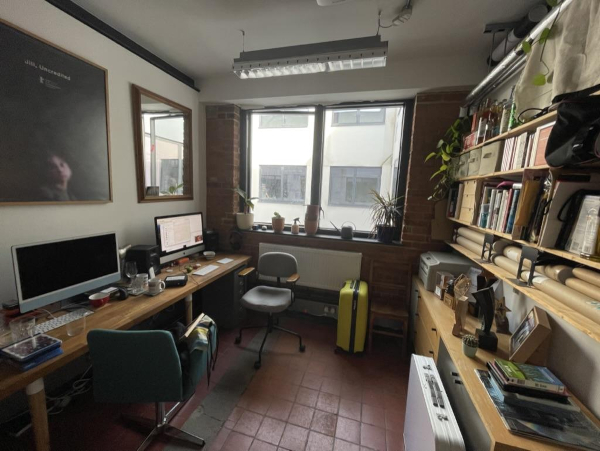
The 100 square-foot room you see above was my home for much of 2024, as I endeavored to transform the film’s sparse visuals (and endlessly yapping audio track) into a palatable viewing experience. I became intimately familiar with my own linguistic tics and irrepressible upward inflections as I trawled through hours and hours of my voice in search of a reasonably coherent 90 minutes of narration.
In search of ways to distract myself, I also began learning (a) French, and (b) how to solve a Rubik’s cube. A year on, I remain stubbornly monolingual, but my cubing personal best is one minute 28 seconds.
15 November, 2024
Go anywhere with a significant proportion of filmmakers in attendance in mid-November and you’ll be treated to an unusual spectrum of emotional displays. The weeklong period in which Sundance acceptance notifications are sent out transforms thousands of filmmakers worldwide into balls of nervous energy, checking their phones every five minutes in the hopes that the hallowed call from Redford’s minions will have come through. Meanwhile, a select few go about their day with looks of unexplained contentment on their faces – those already confirmed for next year’s festival.
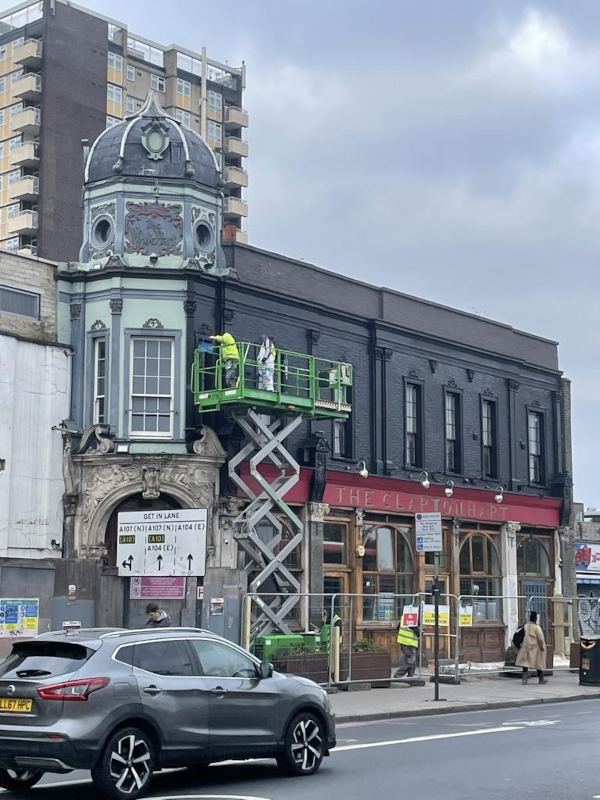
Having played the game many times, usually without success, I’m always searching for distractions at that time of year, investing outsized importance in minor events and intrigues. Case in point: before hearing on 15 November, 2024 that Zodiac Killer Project – as the film was now titled – would be premiering in Park City the following January, I had spent most of the day complaining to anyone who would listen that my local pub had been repainted from quaint aquatic blue to insipid po-faced black.
31 January, 2025
The experience of premiering a film at a festival like Sundance is a strange and contradictory one, in which dizzying highs are followed rapidly by intense, often inexplicable lows. One day your film feels like the centre of the known universe, the next it’s fallen off the Indiewire homepage and people on Letterboxd are saying they only sat through it because Sorry, Baby was sold out.
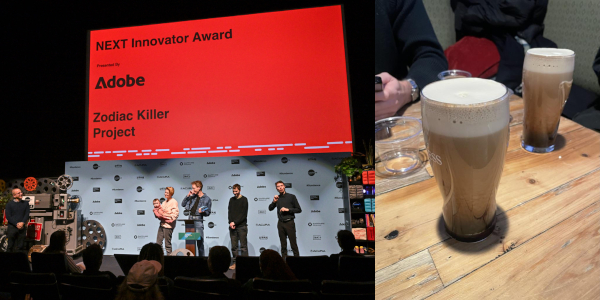
It’s a microcosm of the broader life cycle of most indie films (including Zodiac Killer Project), which become harder and harder to promote the further they get from their moment of unveiling, even as more and more people become familiar with them. This contradiction was apparent even on the day of the festival’s awards ceremony, where to my total delight we were given a prize by jury head Elijah Wood. Up on stage, I felt completely hysterical with glee and gratitude, and then, of course, the moment was over. An hour later, we were trying to make sense of it all in Park City’s subterranean Irish pub, over the worst Guinness pours I’d seen in my life.