

Ryan Sidhoo’s new film, The Track, a coming-of-age documentary set in Bosnia, is now streaming. The Track debuted at True/False Film Festival 2025, won the Audience Award at Sarajevo Film Festival and Best Documentary at VIFF and screened at film festivals worldwide. Sidhoo was long-listed for the Jean-Marc Vallée DGC Discovery Award for best emerging filmmaker for his work on The Track. Previously, Sidhoo produced Handle with Care, a feature nominated for three Canadian Screen Awards, including Best Documentary, which premiered at Hot Docs 2022 and won the Audience Award at VIFF 2021. It is now available globally on streaming platforms. Sidhoo won a Webby Award for his series True North with the National Film Board of Canada and has created content for VICE, Participant Media, NBC-Universal, and others.
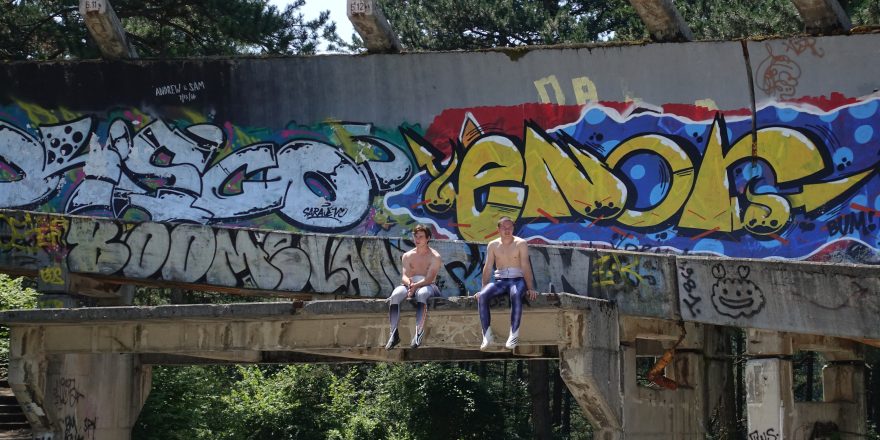
The Track captures the coming-of-age journey of three friends chasing their improbable Olympic dreams in post-war Bosnia. As it follows the trio as they train on their bullet-riddled luge track, left over from the 1984 Winter Olympic Games in Sarajevo, the film begs the question: Where does a generation go after destruction?
Summer 2016
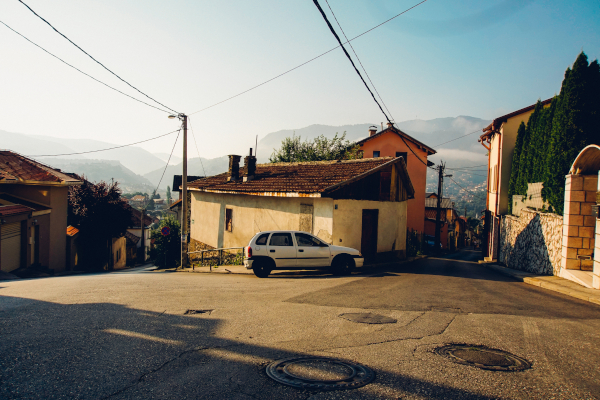
People often ask how I discovered this story and why I chose to follow this team for years. My stock answer is that like most visitors to Sarajevo, I came to see the abandoned bobsleigh and luge track from the 1984 Winter Olympics. Then, by chance, I noticed a group preparing the track for summer training and in that moment the idea for the film was born.
But what I remember most that day is getting lost in the forest on my way back down to the city. I took a wrong turn and kept walking, hoping the path would correct itself. It did not. Instead, I met a man coming up a trail. I asked if I could follow him back toward town. He nodded.
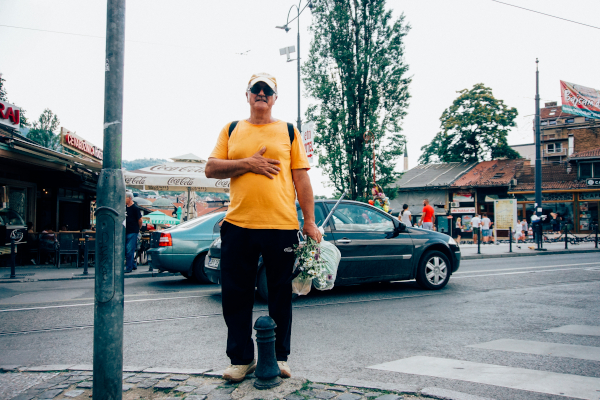
We talked as we walked. About 1984. About the Games. About his children. There is a way people across former Yugoslavia can make you feel known within minutes, through an ease and directness. By the time we reached Stari Grad, one of the oldest neighborhoods in Sarajevo, we felt less like strangers and more like relatives who had simply met late.
I asked to take a portrait of him. He put his hand over his heart and stood proud. I thanked him for guiding me down. We parted without ceremony.
That is the encounter I carry with me, more than seeing the athletes training. That man held something essential about Sarajevo: a humanity that stays with you. That’s what kept me coming back. I made The Track because of the people who made me feel, almost immediately, like I belonged, which perhaps was something I was looking for all along.
Winter 2018
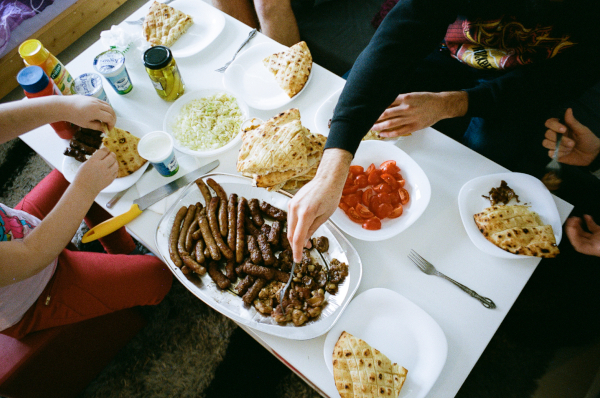
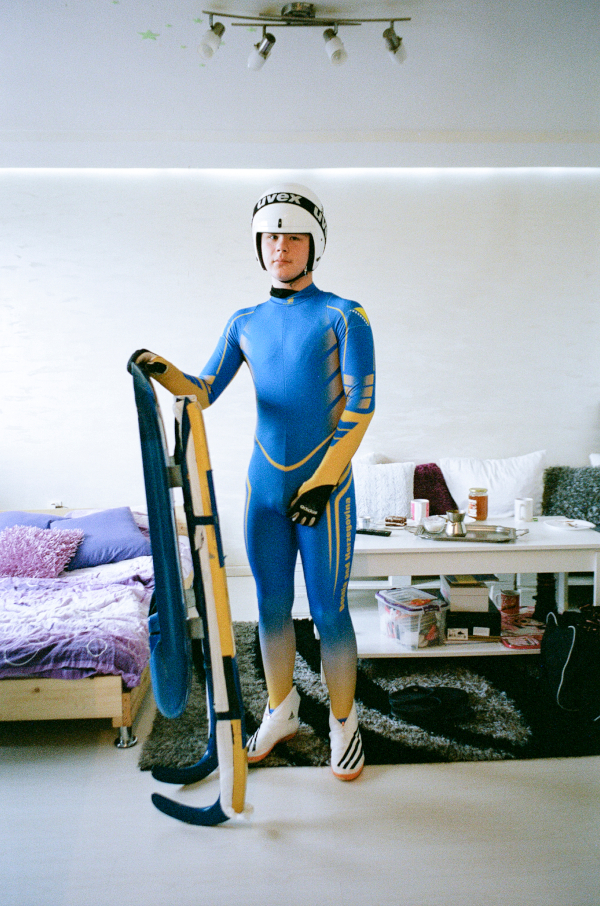
Hamza’s mom said that food in Bosnia is made with merak. She explains merak is the deep joy or soulful contentment found in life’s simple moments, like preparing and sharing food with others. Making a documentary is similar in that way; it’s really about everything that happens in between filming. This is where the connections are made.
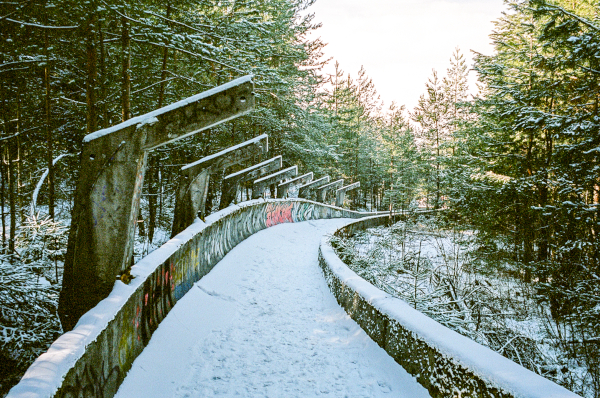
I hope the track gets rebuilt one day.
Summer 2018
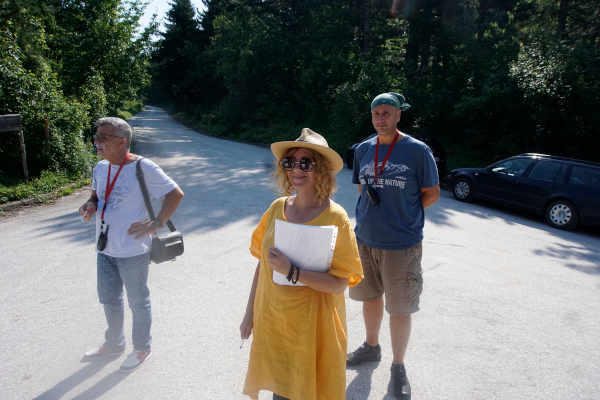
Jasmina was credited as our co-executive producer, fixer and coordinator, but, most importantly, she was the big sister I needed. Anyone can say things will be OK, but it’s different when the person saying it carries a sincerity and lived experience that gives those words real weight.
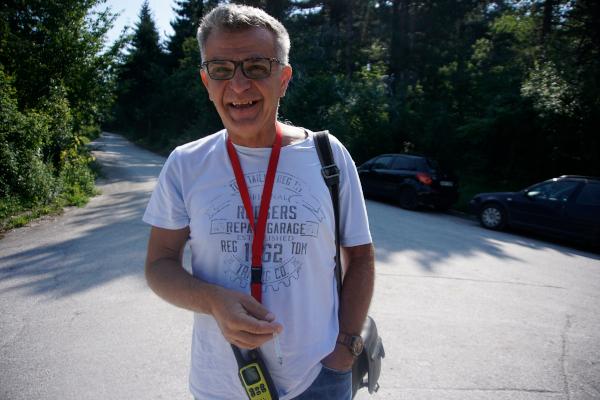
Enes is the father of Zlatan, one of the main participants featured in The Track. He’s the kind of fellow you want to share dinner with and listen to his stories all evening. One of the hardest parts of making this film is what we left behind on the cutting room floor.
Enes’ stories of his raging disco days in a different version of Bosnia, of nights that seemed endless, and of a time when travel between capital cities now divided by borders felt ordinary, are told with so much passion they make me nostalgic for a time I never even experienced. His recounting of Tito smoking cigars at the White House is my personal favorite tale he tells.
(An Enes supercut will be coming soon.)
Summer 2019
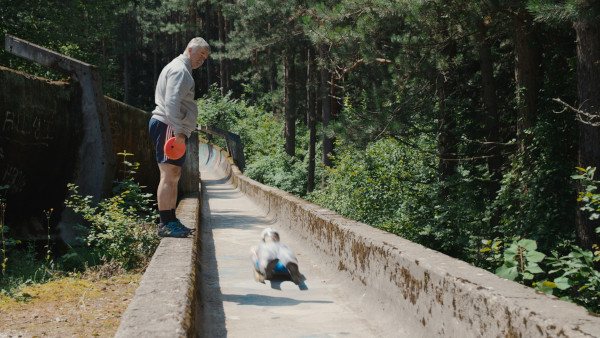
110 kilometers per hour.
Winter 2019
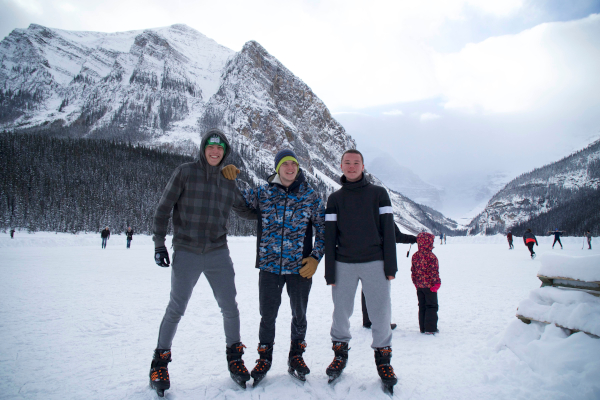
The boys came to my home country, Canada, for a luge race, without their coach or parents. I felt a sense of responsibility for them, but also wanted to make sure they got something from the trip beyond sliding. If you watch the film, there is a tender scene at Lake Louise that remains a favorite of mine because you can feel the joy. Kids being kids.
This trip felt like a turning point. They were just graduating from teenagers to young men, and I think, for the first time, they could see me as a person and not just some filmmaker who kept showing up in Sarajevo. If I had to describe it, maybe for them it felt like that moment as a kid when you suddenly realize your teachers or parents are actual real human beings.
Summer 2022
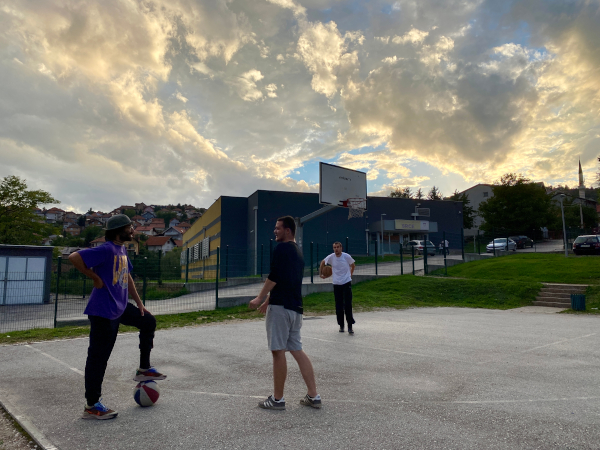
This was my first trip in the post-COVID world. The photo was taken by our cinematographer, Jesse McCracken, who probably sensed the joy I felt while shooting hoops with Hamza at sunset in Buća Potok.
Looking back, I needed this trip more than I realized. There is a scene in The Track where Mirza says, “I forgot how much fun this was.” I felt the same way in the moment … just being in the field with my friends, making a film that I believed in, with people I grew to see as family.
Summer 2024
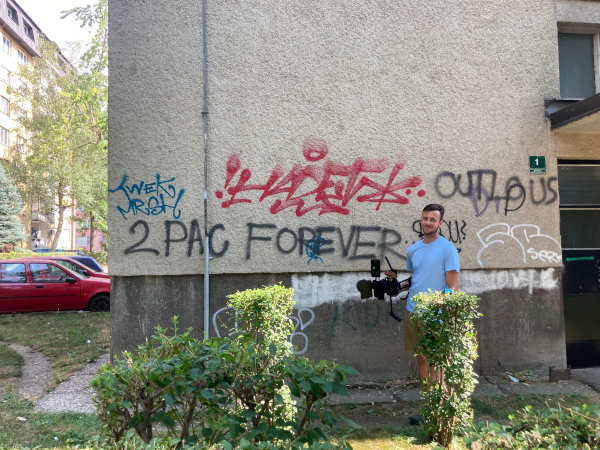
Documentary seems to attract a certain kind of person – someone who, for better or worse, carries an optimism that cinema can do good, and also believes that the act of making a film can do good in its own small ways. Ervin is one of those people.
Summer 2025
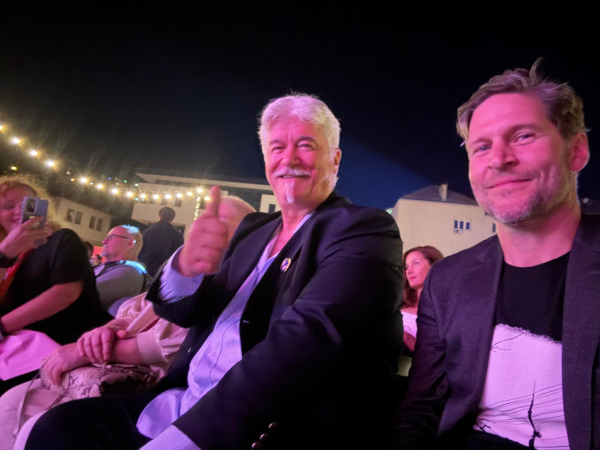
My longtime collaborator and editor, Graham Withers, made his first trip to Sarajevo and finally met Coach Senad, someone whose life he had spent seven or eight years watching hours of footage. Graham often talks about the strange feeling of knowing someone so well through film, yet never having met them. It was nice to see them watch the film side by side at the Sarajevo Film Festival.
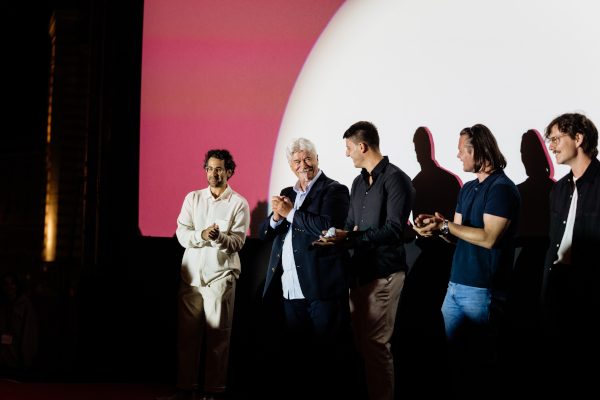
We need more people like Senad in our communities.
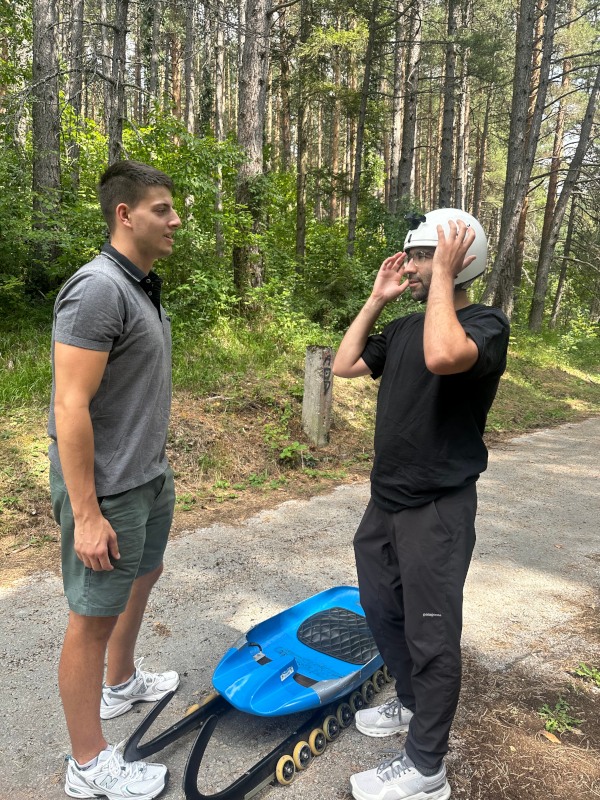
This run didn’t end well, but I’m glad I finally got the chance to slide down the track at Mount Trebević. The track means everything to Senad, Mirza, Hamza, and Zlatan and I now see how this forgotten structure in the forest changed my life, too.