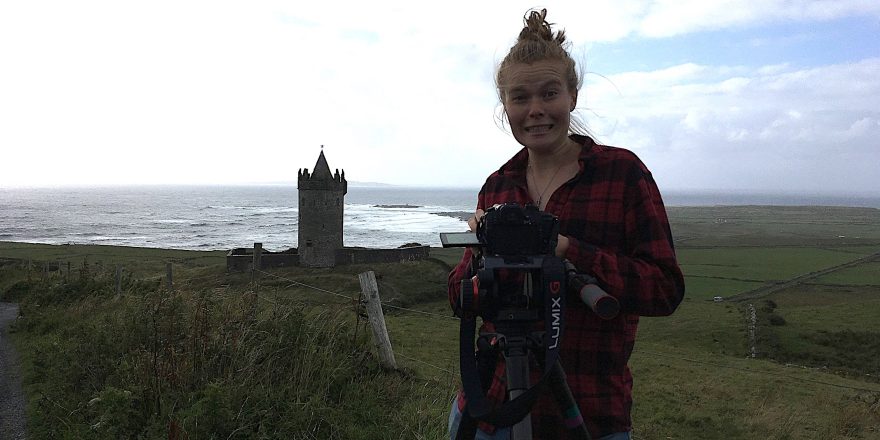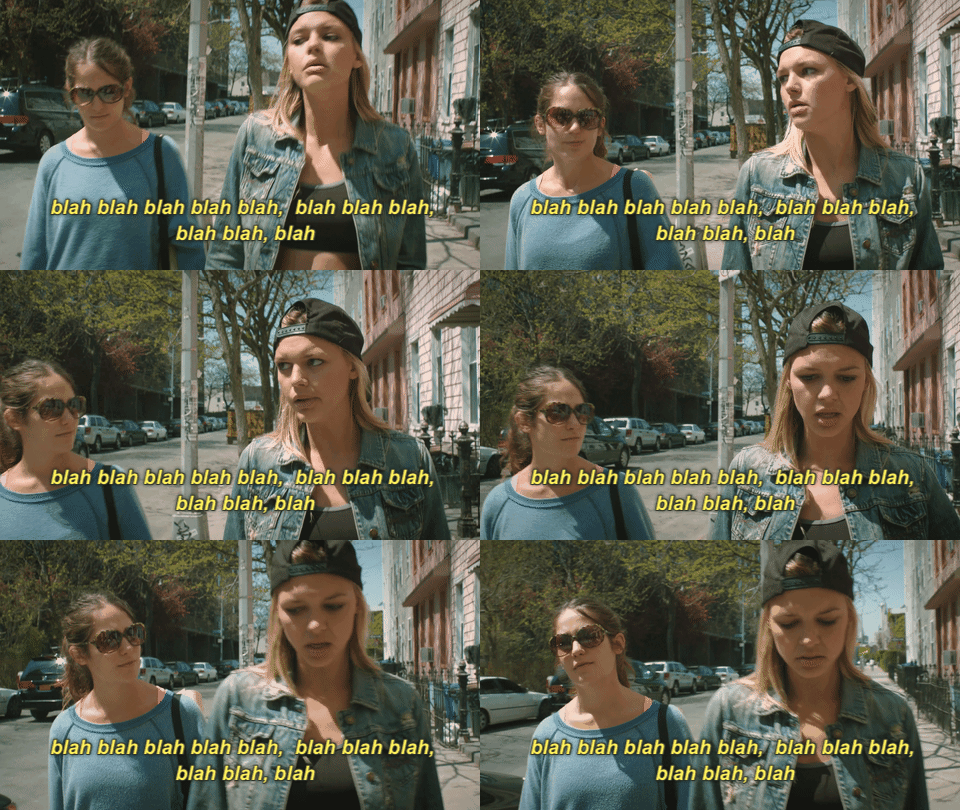


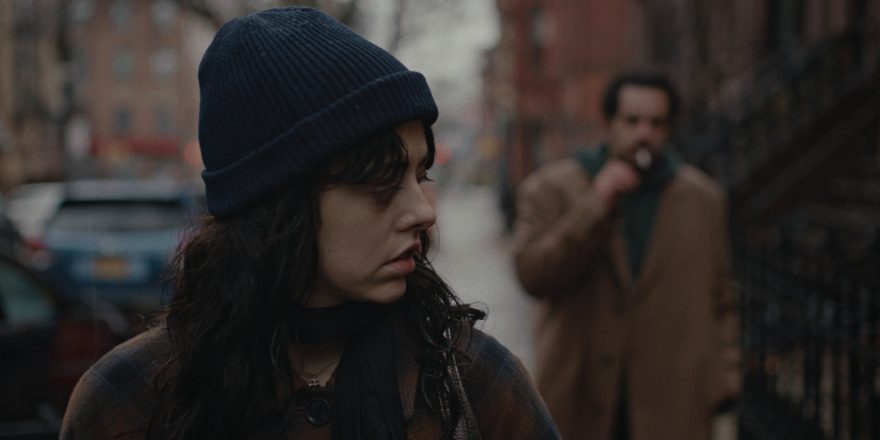

Actress, writer and producer Mary Neely first came to the world’s attention with her viral musical theater videos during the pandemic, earning praise from Lin-Manuel Miranda and Andrew Lloyd Webber, as well as being named “Best Theater of 2020” by The New York Times and The Washington Post. Since then, she has continued to act, edit, go on tour as a solo stand-up, produce showcases for comedic writers, and direct projects such as her short film Pink Trailer, which premiered at SXSW, and the TV pilot Stars Diner, which premiered at SXSW this year and won Best of Late Night at Series Fest in May. Additional credits include MGM’s Valley Girl, Sony’s Lyle Lyle Crocodile, and Netflix’s Happiness for Beginners. Mary can currently be seen opposite Subway Takes‘ Kareem Rahma in Or Something, which they also co-wrote together; the film is out now in theaters through Factory25.
Standing in the back of an independent movie theater on Dean Street in London’s Soho district, my heart was pounding as if I was being hunted by a tiger. The unaware audience joyfully milling about, taking their seats, chatting as I was stewing, coming up with a list of points I could rattle off during the Q&A that would save me. I needed to clarify myself, to get them all to understand! Yet in between the time the movie started and ended, I had meditated my way out of making any kind of declarative statement because I didn’t actually have anything to clarify.
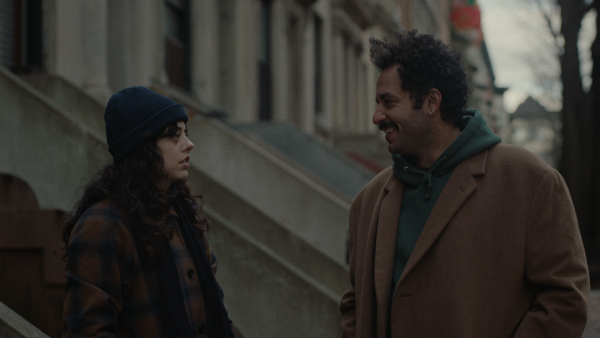
I was grappling with the idea of my thoughts being immortalized in Or Something, the feature film I co-wrote and shot over six days in New York City with Kareem Rahma. The script is predicated on real conversations we had with each other, later transcribed into dialogue for the characters Olivia and Amir. When we began writing, a key aspect of the storytelling process was pointedly about how we wanted to be as honest as possible, to combat the fears we both have about putting our unfiltered opinions in writing on the internet. That initial fear, though, had morphed into a new one: some of those opinions I had so diligently been truthful about in the script had changed since completing the postproduction process for the film. This is where the need to justify/argue/defend/explain was born when I was standing in the back of the theater. Why did I feel like I was about to be “found out,” when no one knows my opinions have changed and even if they did, would they really care?
That anxious loop is, I think, emblematic of my generation. Millennials and Gen Z experience high levels of anxiety surrounding evolving beliefs, due to the digital permanence of our ideas. Since parts of our identities are retrievable online, it creates friction against being flexible and the saddest part is that the interpersonal and cultural news cycles are so short, we stay stuck like this for no reason. We’re living in the “Aha! Gotcha!” era, sometimes even inflicting this sentiment on ourselves.
Though not as strong as, say, a few years ago, we’re all still living with the terror that at any moment someone could unearth digital receipts that threaten our stability or even call us out in real time. The discourse around cancelable offenses feel very fatigued and the fervor with which mob mentality riles up has dwindled significantly, but it is by no means absent from cultural participation. As Jonathan Haidt notes in The New York Times, young people in particular are gripped by regret over what they’ve shared online, aware that “mistakes” can be screenshotted and weaponized long after context has changed. Similarly, The New Yorker has observed that our digital lives are curated archives rather than ephemeral conversations, making past statements feel permanently accessible and primed for recirculation in moments of scrutiny.
Kareem and I discussed how these pitfalls and our own relationships to the internet shape the way we create our day-to-day. While I had had moments of virality, this was all before Kareem was the online icon everyone knows him to be today. And we all know the kind of scrutiny that accompanies an online presence like his. Because of this, I don’t think we would have been able to be as truthful if we had started writing this film within the past year, purely due to the way visibility constrains those who have heightened presences.
In 2024, I moderated the Q&A for the premiere of Jenny Carchman’s documentary Whatever It Takes at South by Southwest. The film tells the story of how eBay’s security team ended up in federal prison after trying to protect the CEO from a corporate raider. The catch is that the “corporate raider” is just a middle-aged couple in the suburbs running an old-school blog that was re-reporting public news stories about how eBay’s funds were being used after the company went public. What happened is totally insane, largely due to the absurd lengths eBay went to silence these totally innocent people, but the thing that stood out to me the most was the perception Devin Wenig, the CEO, had that the blog was not only painting him in a negative light, but being looked at by a ton of viewers. If they had just left that couple and their blog alone, nothing would have ever made headlines.
This clarified something for me: the internet often makes us feel far more scrutinized than we really are. It is a context-less place that distorts perception. The reality is that in order to break through the barrier, to even get close to touching the zeitgeist, we must do or say something grotesquely extreme. In the eBay case, the security team thought that the blog was the extreme thing everyone was paying attention to, but really their doing “whatever it takes” to destroy the blog was the thing that broke through the barrier.
Making Or Something ultimately felt freeing. Through Olivia and Amir, I could voice opinions, test contradictions and double back mid-thought without worrying about an archive catching me in the act. The characters could change their minds in real time, and no one was there to screenshot them. Yet ironically, I ended up imposing that surveillance on myself – trained by years of external scrutiny to monitor my own shifts. The simple act of being allowed to change your mind, without the weight of receipts, feels increasingly rare in a culture where even fleeting expressions are captured, searchable and endlessly recirculated.
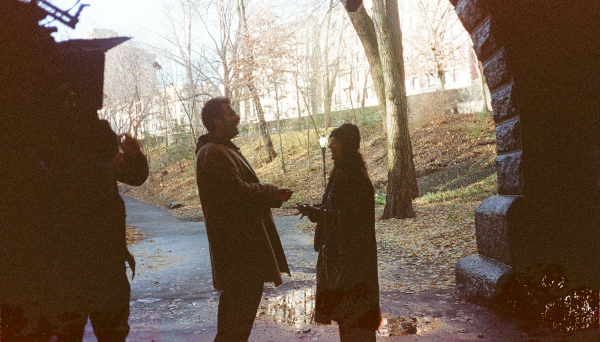
Yet this experience has taught me to accept my own malleability, to let go of whatever is causing me to step back onto the clusterfuck merry-go-round that is public perception. Reminding myself: No one cares. We have screenings this week and I’m almost certain I’ll be able to stand in the back of the theater without anxiety around my changing beliefs. I’m not exempt, though; I’m sure I’ll have some other kind of anxiety. Like about my hair or something.