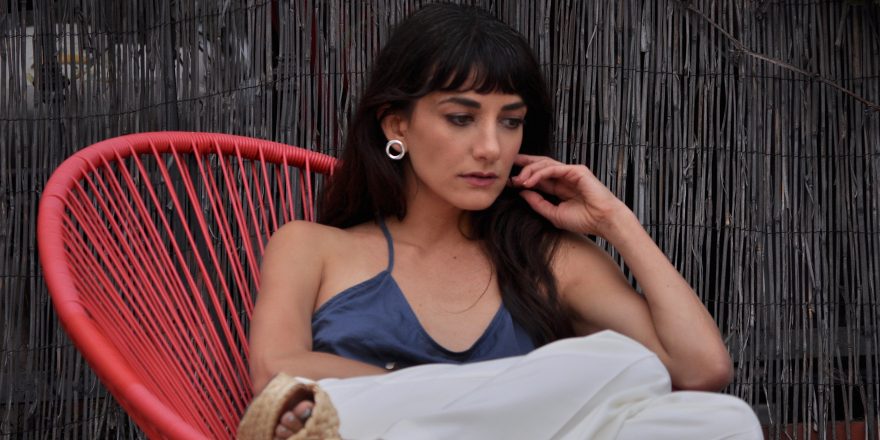


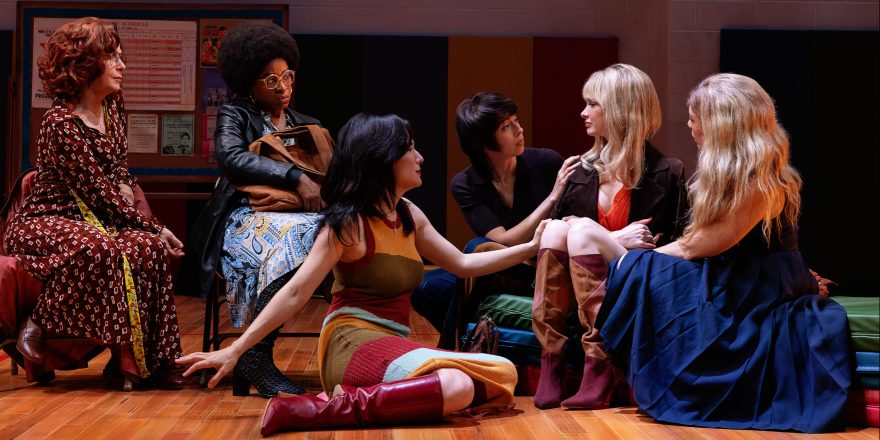

Irene Sofia Lucio is a Puerto Rican actress who is starring as Isidora in this season’s most acclaimed Broadway play, Liberation, which closes on February 1. Irene created the role of Patricia in Jeremy O’Harris’ award-winning Slave Play, a role she carried from workshops through its runs Off-Broadway, on Broadway, on the West End, and in Los Angeles. Irene co-wrote, performed, and co-produced the webseries B.U.T.S. (Bi-lingual, Underrepresented, Titless Sallies), which won Outstanding Comedy at the NBCU Short Film Festival, and also wrote the animated series Super Ellas, about Latina trailblazers, winning the Gracia and Silver Telly Award for Best Animated Series. She has several screenplays in development with CBS and Dentsu Storylab. With degrees in Comparative Literature and Theatre from Princeton University and an MFA in Acting from the Yale School of Drama, Irene is a proud native of San Juan, Puerto Rico, who currently resides in New York City.
Last week, I did a talkback for Liberation on Broadway. A woman asked, “Given the play and the current political climate, do you feel hope or despair when it comes to the present moment?
It’s a great question.
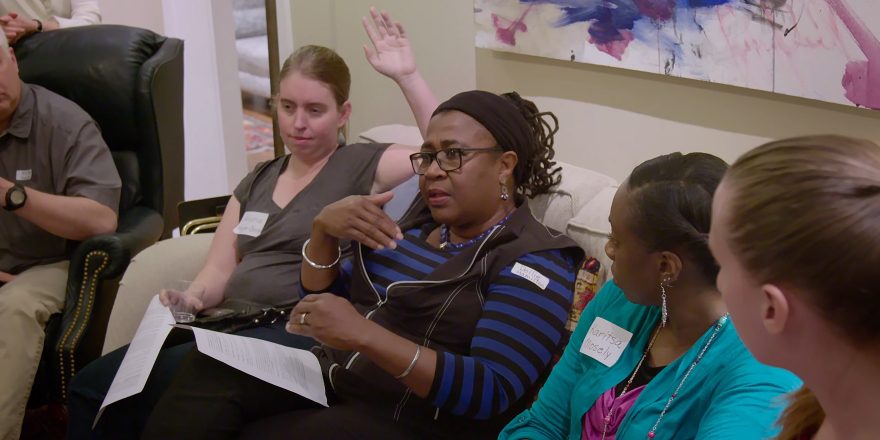
Liberation deals with a Women’s Liberation Consciousness Raising group, from 1970 to 1973. It’s a few years after the assassinations of Martin Luther King Jr. and Robert Kennedy. Nixon is being investigated for Watergate. There are protests about the Vietnam War, and the Civil Rights and Women’s Liberation movements are rampant. The National Guard has been mobilized to suppress protestors, and innocent people are getting killed in the crossfire.
It’s no coincidence that Liberation has felt more timely and urgent than ever.
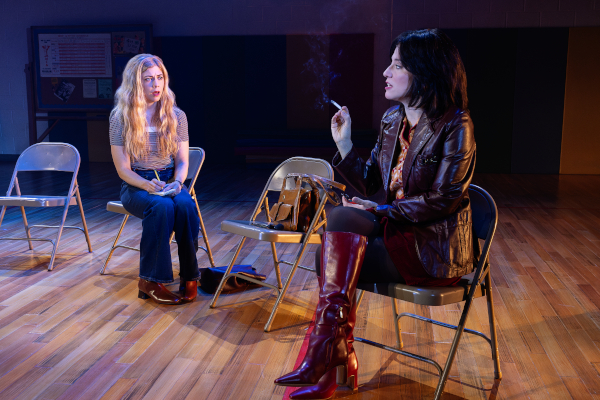
The character I play, Isidora, is an Italian immigrant and embodies the group’s strength. She gets the women to take to the streets in protest. Every night, I utter the play-by-play of what the group is to do: “First we shut down traffic with the banner … Then we go from car to car and we give them the fliers …”
And after all of what’s been happening in the news … I get the feeling I’m telling the audience what we have to do.
But then Lizzie, the narrator, interjects: “We could get arrested. We could get shot.”
And now … I have to pause before answering: “You’re not getting shot.”
I am writing this shortly after Renee Good was shot and killed, and just a few days after a five-year-old was detained and used as bait to arrest his father – with a pending and legal asylum application.
We are all bombarded by news like this, but I feel like I’m experiencing the news cycle particularly viscerally. As a mother, these stories just hit harder. I’m also a Latina and child of immigrants and political asylum seekers, plus my character in Liberation is an immigrant.
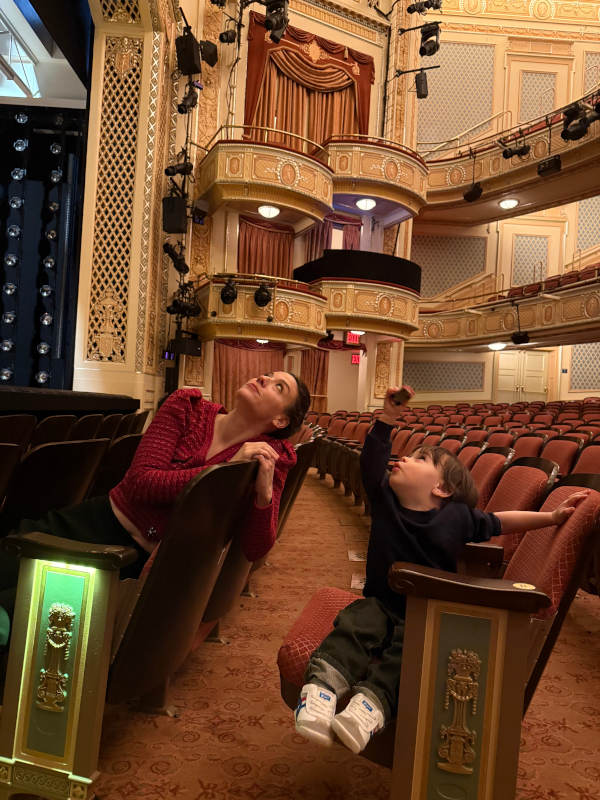
Which brings me back to the question from the talkback: Do I feel hope or despair? I’m still trying to figure that out. What I can say is the play does an excellent job of showcasing women’s lives as a historical continuum. We are invited to take a hard look at our mothers, their lives, and what they fought so hard for us to get. We can now buy a home, have credit cards, play sports professionally. And that’s just the tip of the iceberg. For a while there, we even had autonomy over our own bodies.
As I look back at the historical continuum and see how far these women marched, it also forces me to look at my own place in that continuum. I am now raising my son, who’s about to turn two. What is my role in helping him shape his world, his view on women, on immigrants, on presidents, given our reality?
That’s where I come in, right?
What kind of mom is my child seeing if I stay indoors when all of this is happening?
While I can’t say for certain whether I feel hope or despair, what I can say is that I know I have a role to play in this continuum, both for myself and for my son. I can’t be a daughter of a woman from the ’70s and a mother of the next generation and do nothing. My feelings may matter less than my actions.
Though to be honest, what I really feel is overwhelming fear. I want to be a role model, I want to show up for my community, and I also don’t want to get shot. My kid needs me.
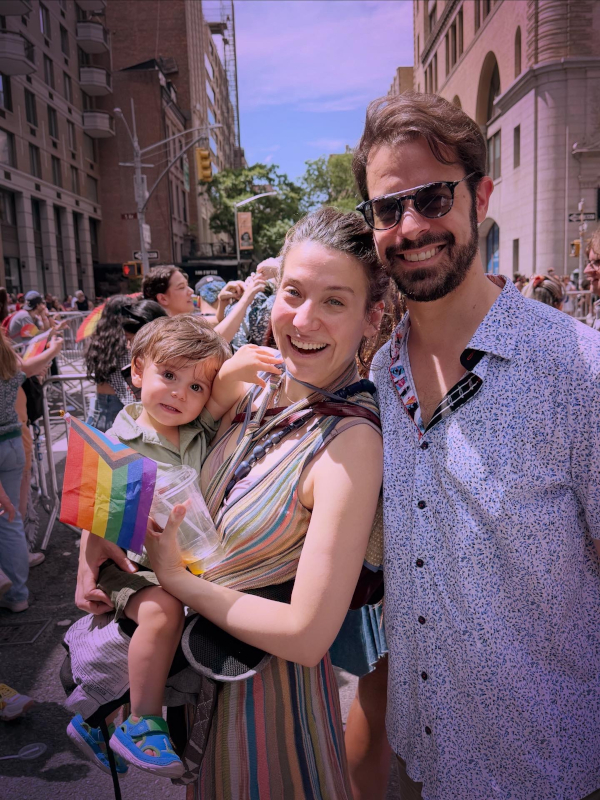
So … what this moment and this play is asking of me, of all of us, is to be brave. Brave in a way that makes us join history. Asking you and me to go out, and knowing that there is power in numbers, because they can’t take all of us. To hold the line. To link arms and march toward the future we want for the children coming behind us. I’ve never felt more urgency and more fear at once. But Isidora is a brave character and I hope her bravery is catching – for me and for the audience – inspiring us to take action.
And maybe I’ve somehow finally understood the stakes of protesting in the 1970s. Of what our parents did. Maybe it’s taken me this long to understand how brave they really were. And for that, I am forever grateful. My hope is that this experience will embolden me to borrow from their bravery for the battles we have to fight now. To be the person I need to be, for myself and for my son.
Featured image shows Betsy Aidem, Kristolyn Lloyd, Irene Sofia Lucio, Adina Verson, Audrey Corsa and Susannah Flood in the Broadway production of Liberation; photo by Little Fang.