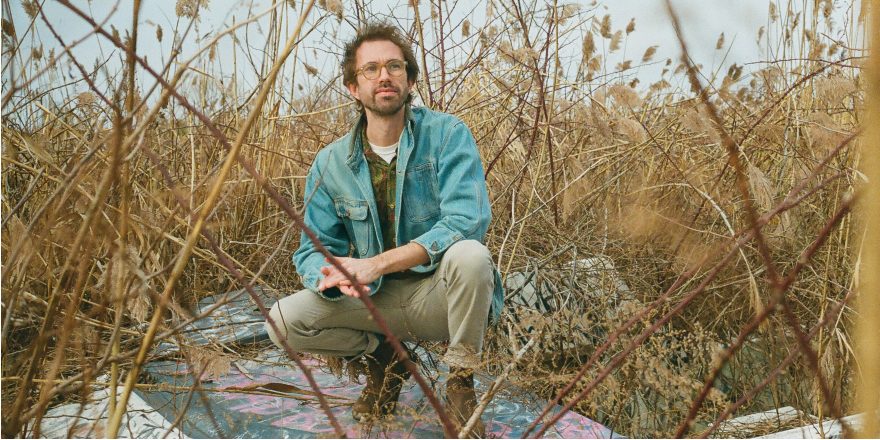


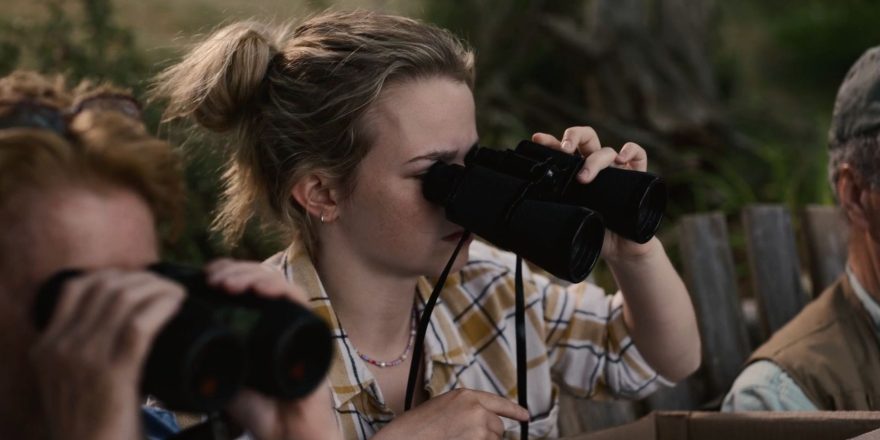

Sierra Falconer is a Michigan-raised, Los Angeles-based screenwriter and director. She holds a BFA in film theory from Wesleyan University and an MFA in film directing from UCLA. Her directorial debut, Sunfish (& Other Stories on Green Lake), premiered in competition at the 2025 Sundance Film Festival and is in theaters from September 12, 2025.
As a single summer unfolds around Green Lake, the lives of its residents and visitors intertwine in moments of change and self-discovery. A girl bonds with her grandparents through sailing and birding, a boy battles for first chair at a prestigious arts camp, a fisherman and a young mother are an odd pair in pursuit of adventure and the perfect catch, and two sisters savor their final days running a bed-and-breakfast before college pulls them apart.
My grandpa taught me about birds. He taught me where to find them, how to identify them, and how long each bird sticks around. He tried to teach me how to talk to them too, but I never could whistle like he could. Green Lake has many birds; mallards, loons, chickadees, robins, blue jays, buffleheads, grebes, woodpeckers, the occasional blue heron. My grandpa was interested in only one.
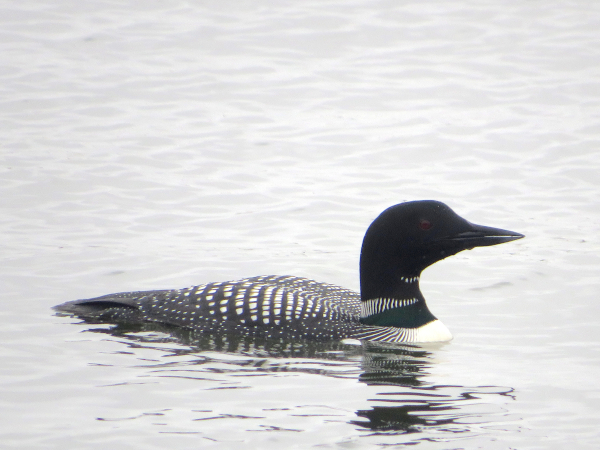
The Common Loon
Like my grandpa, the Common Loon is a practical and private bird. She mates for life, broods only one or two chicks per year, and prefers to live in solitude, with one pair often claiming a whole lake to themselves. On Green Lake, we’re lucky – we have two.
Our loons visit for the summer, June through September, and for those four months, the lake is theirs. Early in the morning and again around supper time, when the boats are docked and the water is still, the loons venture out of the reeds and into the lake to feed.
My grandpa used to take me out in his kayak first thing in the morning. We’d stay close to the shore until we saw a loon, then we’d hold our breaths and paddle in. If we were very quiet and exceptionally still, we could get close enough to see her beady black eyes, and in that one, reverent moment, the lake was ours too.
The loon is the first bird we see in Sunfish. She is the object of Nan and Pop’s adoration (the crown jewel of their birdwatching escapades), and her lost loonlet, initially mistaken for a duckling, quickly becomes Lu’s first friend on the lake.
The Mallard
Never, ever call a loon a duck. My grandpa taught me that.
Seeing a mallard on the lake is like seeing a squirrel in the park: ordinary and unremarkable. As a kid, I used to bring stale hamburger buns down to the dock and toss bits into the water, hoping to attract a loon. I never did find a loon this way, but the ducks adored me.
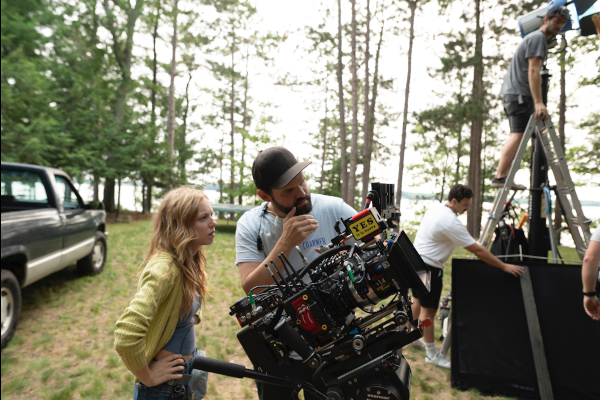
During an early pickup shoot for Sunfish, we ventured onto Green Lake and attempted to photograph the loons. Even with a detailed map including exact GPS coordinates to their nests, finding and photographing the birds proved exceedingly difficult. Often, we would see a bird off in the distance, certain she was a loon, only to move closer and find a duck in her place. Someone would mutter, “mallard,” – bitterly, derogatorily – and we would move on.
The Songbirds
There’s this special day at the end of summer when the camp kids give their final performance in the amphitheater. Somehow, the music carries across the water and all the way to our cottage at the other side of the lake. The songbirds, swept up in the music like the rest of us, seem to sing a little bit louder. Even the loons sing along, oooh-ahhhh, trembling and mournful. As the sun goes down, the crickets start to hum, and it’s as if the whole lake is in concert – the orchestra, the birds, the crickets – all playing together, a summer farewell.
If you listen carefully, you’ll hear loon calls echoing throughout the entire film (and other films too). The wail of a loon is perhaps the most beautiful and identifiable sound of the northern lakes. It is also one of the most overused sounds in Hollywood. Loons are highly regional, found mainly on freshwater lakes in the northern U.S. and Canada, yet filmmakers drop their calls into nearly every wilderness scene, from tropical jungles to western deserts, effectively flattening the sound into a kind of cinematic shorthand for “the wild.”
The Blue Jay
The Blue Jay has the perennial burden of being a resident bird on Green Lake. She gets to enjoy the beautiful summer months with her friends … Robin, Mallard, Chickadee … but she must also brave the winter, which is cold, long, and I imagine, quite lonely. Though if any bird is suited for winter, it would be Blue Jay. She is a stubborn, aggressive defender, skilled at mimicry, and fittingly resembles something of a blue nutcracker in her black collar and little felt hat. She holds the fort down while the rest of us are away, and for that, we thank her.
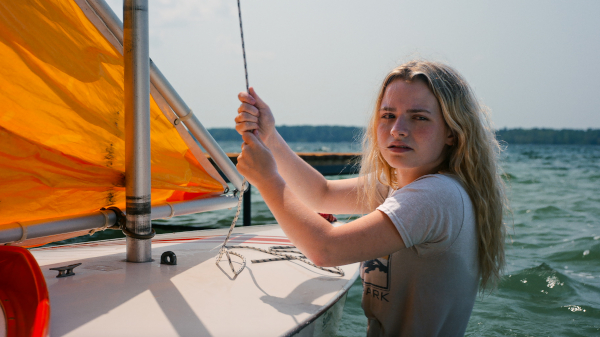
Birds appear across every vignette of Sunfish (sometimes directly, sometimes in name or metaphor), quietly threading together themes of abandonment, freedom and the search for home. In the final chapter, “Resident Bird,” we follow two sisters, Blue Jay and Robin, as Robin prepares to leave for culinary school, and Blue Jay struggles to find the strength to let her go.
The American Robin
My grandpa taught me that the Robin is the first bird to return north after winter. Her arrival each year signals the coming of spring. I suppose this makes her the most homesick of all the birds (or the most eager to reunite with the Blue Jay).
My first film, Sunfish (& Other Stories on Green Lake), is dedicated to my grandpa, Bruce Falconer, lover of loons (among other things). The movie is about loons, and birds of all kinds. It’s also about sailboats, violins, fishing, and growing up in rural Northern Michigan. Most of all, Sunfish is about home – what it feels like to be home, and what it feels like to leave.