

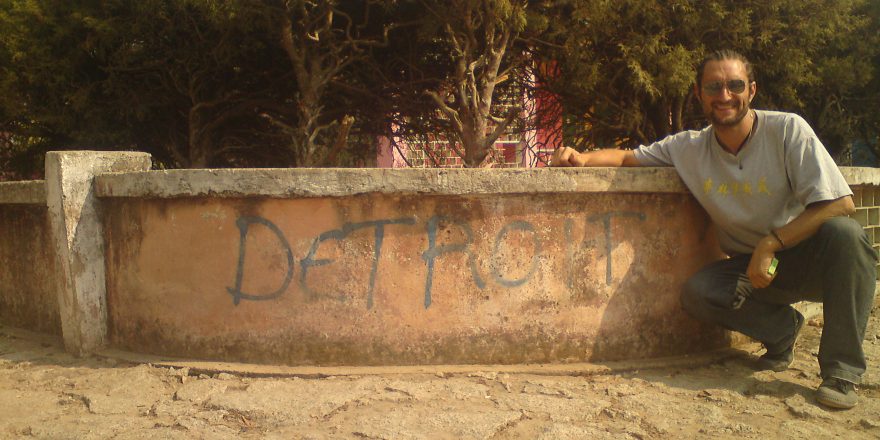
Jeremy Xido is a filmmaker and actor whose latest documentary, Sons of Detroit, a genre-bending documentary based partly on his childhood, premieres at DOC NYC today. Originally from Detroit, Jeremy graduated cum laude in Painting and Comparative Literature from Columbia University, NY and trained at the Actor’s Studio. Working as a dancer, actor and filmmaker, he has performed and presented work around the world on stage, TV and in cinema. Currently he is starring in Pia Marais’ new feature film, Transamazonia, which premiered in competition in Locarno, and Amazon MGM Studio’s new series, House of David. Jeremy’s film directing credits include the award-winning feature documentary Death Metal Angola (IFFRotterdam), the six-part series “Crime Europe,” and the short documentaries “Macondo,” “Dive,” and “Care,” in addition to several narrative shorts. Last year he also premiered the feature documentary The Bones, about the international dinosaur bone trade, which played at CPH/DOX, Hotdocs, Sydney and DC/DOX.
Last year, I held both of my parents in my arms as they died. My father went first, after a brief, brutal battle with esophageal cancer that caught everyone completely off guard. My mother followed four months and four days later at 4:44 a.m., after more than 10 years of a slow, painful and perplexing erosion of memory and self from Alzheimer’s.
In between their deaths, my film The Bones premiered at CPH:DOX, as I flew back and forth between Los Angeles and Athens, acting in an Amazon MGM Studios series. And then after my mom passed, I was on the red carpet in Locarno with Pia Marais’ film Transamazonia. in which I play the male lead. But most consequentially, through all of it, I was in the final phases of the edit on my film Sons of Detroit, premiering in a couple days at DOC NYC. It was an awful, amazing, overwhelming, confusing motherfucker of a year. To say the least.
Sons of Detroit is a deeply personal film nearly a decade in the making, which follows my return home to Detroit after more than 20 years on the road working as a dancer, actor and, later on, director. In it, I’m brought face-to-face with the destruction that the two families who raised me experienced as I was growing up and set out to unearth the root causes of what ravaged our neighborhood, our family and city.
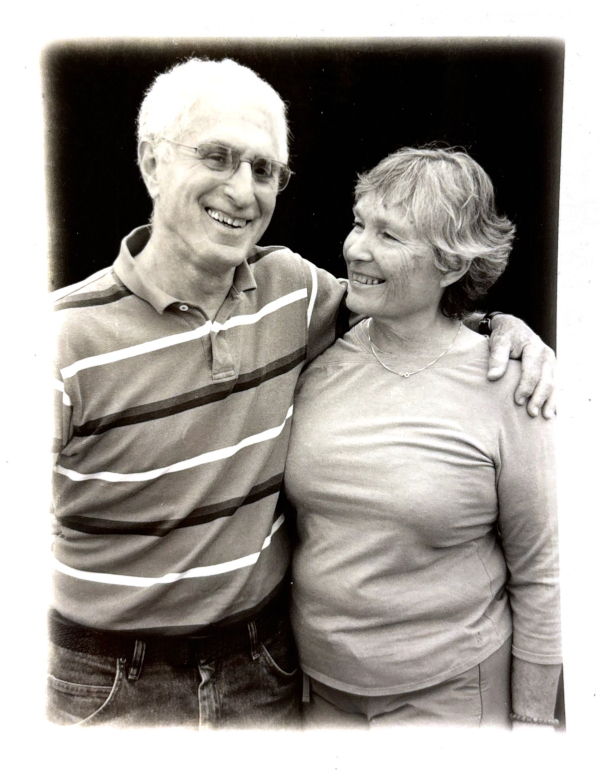
My parents figure prominently in Sons of Detroit. There are a couple of very difficult scenes in which we argue and dissect choices we made as a family during the time I grew up in Detroit. In them, there’s a profound reckoning of race and family and the gulf between our stated beliefs and our actual behavior in the world. And for months, as they were dying and afterwards, I had to sit there and watch those conversations again and again, cut after cut.
They are truly remarkable in the film. Their ability to meet me and dive into painful and shameful moments from our lives – with the aim of stripping away our defenses and arriving at something unflattering but true – is stunning. Something none of us had been able to do in our lives up until then, but which we somehow achieved together. Perhaps setting us all free.
After they died, my wife, Amanda (also the producer of Sons of Detroit), and I decided to compost my parents at a place in Seattle called Recompose and, several months later, walked away with 10 bags of dirt that a friend called “mompost.” Throughout her life, my mom was an avid gardener. Gardening was something she had found as a way to work through various traumas she carried with her throughout her life. And later in life, my dad became an avid hiker who spent as much time as he could exploring and protecting the rainforests of the Pacific Northwest. Turning my parents into fertile soil seemed like a pretty good way to honor them.
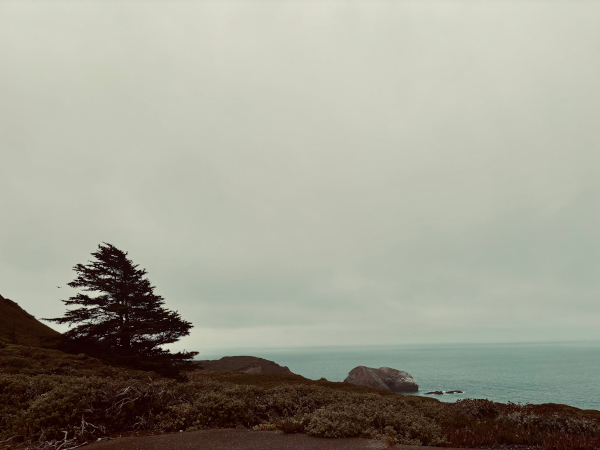
About a year later, I arrived in San Francisco for our first public work-in-progress screening of Sons of Detroit. I got into town a couple of days early and took two cardboard containers of mompost to the Marin Headlands. I found a lone Monterey cypress near a bench overlooking the Pacific Ocean and climbed over a wooden fence to plant my folks’ soil at the base of the tree. It was totally illegal, which my mom in particular would have gleefully approved of.
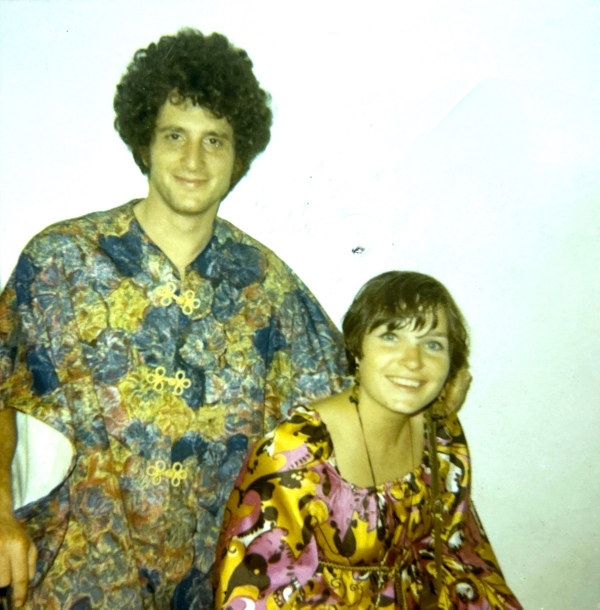
I patted down the earth, climbed back over the fence, sat on the bench and looked out over the ocean. San Francisco is where they met and fell in love. Before the mistakes and betrayals and reconciliations. Before we fled to Detroit from the increasingly volatile and chaotic world of Bay Area revolutionaries.
A couple nights later, in the theater introducing the film, I would explain to the audience how thrilled I was to be there. That it was a sort of homecoming: I was conceived under the big radio tower on Mount Sutro. Which got a laugh.
Sitting on the bench, my parents at my back, the Pacific Ocean in front of me, the past year and a half came flooding in. Images. Fragments of memory.
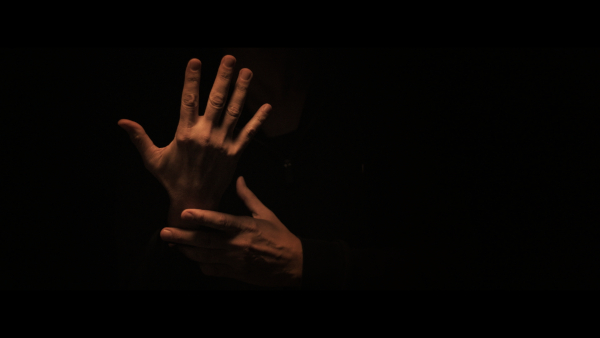
Like the moment I broke down sobbing while working with a voice coach on the hymn “Will the Circle be Unbroken?”, which I sing in Transamazonia, and couldn’t make it through the verse, “Undertaker, Won’t you please drive slow / For that lady you are carrying / Lord, how I hate to see her go.”
And a moment from Sons of Detroit in which my dad pauses after listing his impressive professional and political accomplishments and says, “But the way that I behaved in the context of family and neighborhood … you know, when you get down to the things that really count, that other stuff that I feel proud of is really irrelevant.”
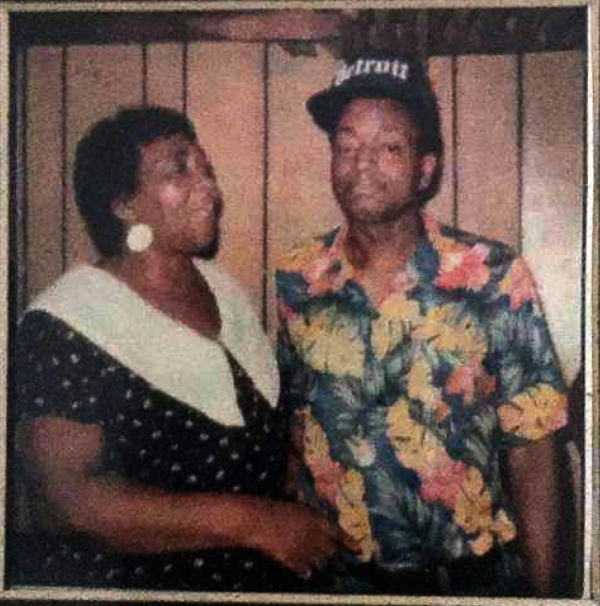
A memory of my mom, worried and exhausted, picking me up from our neighbors Myrtis and Jimmy’s house in Detroit. The ones who took me in as part of their family when my folks were a hot mess.
My cousin Boo and I both lamenting how neither of us was there when Myrtis and Jimmy died. I had fled Detroit and was traveling through Europe as a performer. Boo was in jail. We were absent for all of it.
And then just random smells and tactile things that I have no words for, the cadence of animated conversation, a guffaw, an argument over a game of bid whist, the rush of adrenaline pumping through my body at a moment I was afraid. Articulate and inarticulate fragments that somehow taken together give body to our lives lived together.
Sitting there on the bench, these things coalesced and dissipated and I couldn’t help thinking about the generative and regenerative properties of death. The shuffling and reshuffling of meaning and experience when someone dies.
After a while, it got cold on the bench looking out over the ocean. It was time to go back to the city and carry on with why I came there. I gave my parents a hug, scrambled down the hill and across the beach to the car. On my way back across the Golden Gate Bridge, I couldn’t help but think about how death as a fertile conduit for reckoning, reconciliation and regeneration is at the heart of Sons of Detroit. It begins on the precipice of my own near-death, after I had a heart attack while performing onstage in Berlin, and ends with a dedication to my parents, Michael and Barbara Silverstein, and to Myrtis and Jimmy Brown, who parented me when my parents could not. And with a tree, connecting us all.
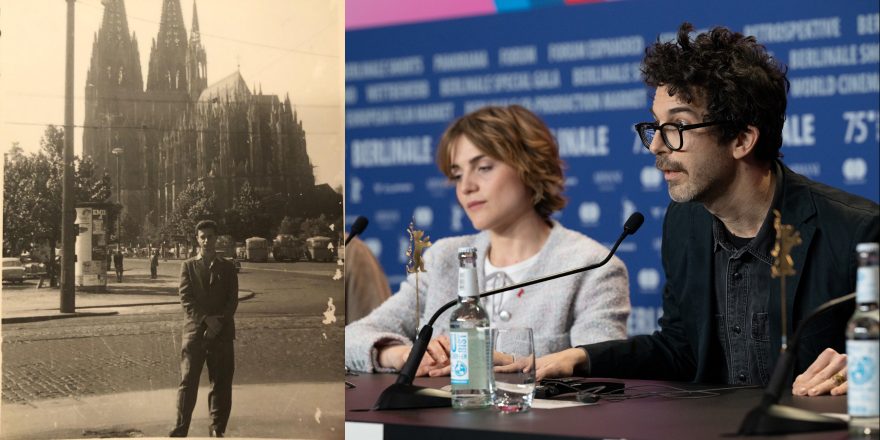
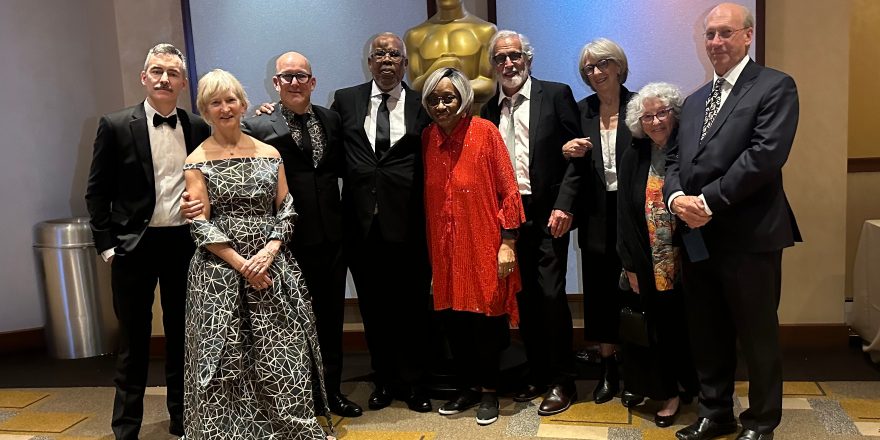
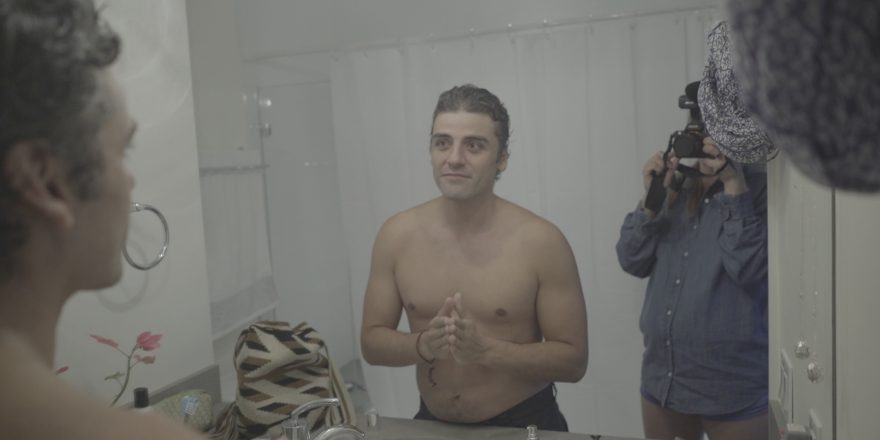
Featured image shows Jeremy Xido back in Detroit; all images courtesy Jeremy Xido.