

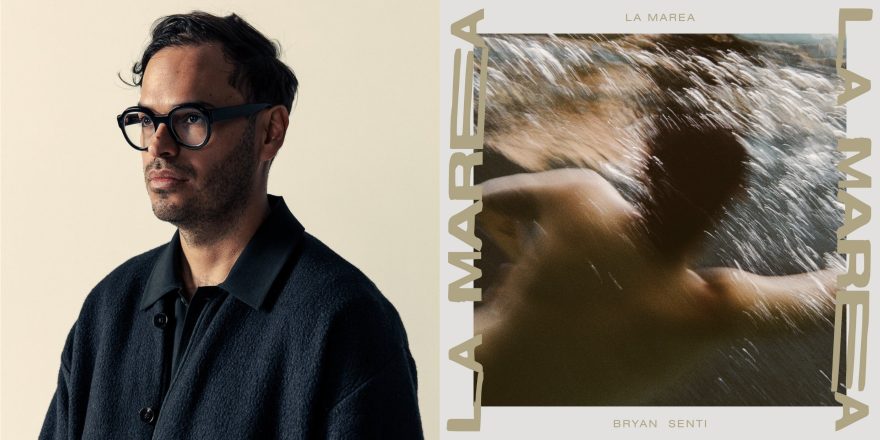
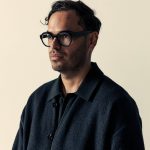
Bryan Senti is a BAFTA winning Colombian/Cuban-American composer, multi-instrumentalist, and producer. His debut crossover LP, Manu was released on the French independent Naïve to critical acclaim, and his upcoming album La Marea is out now on State 51.
Mood Board is our column where artists share with us a few things that inspired their new record. Here, the composer and multi-instrumentalist Bryan Senti tells us about the works of art and personal records that inspired his new record La Marea — out today on State 51.
— Annie Fell, Editor-in-chief, Talkhouse Music
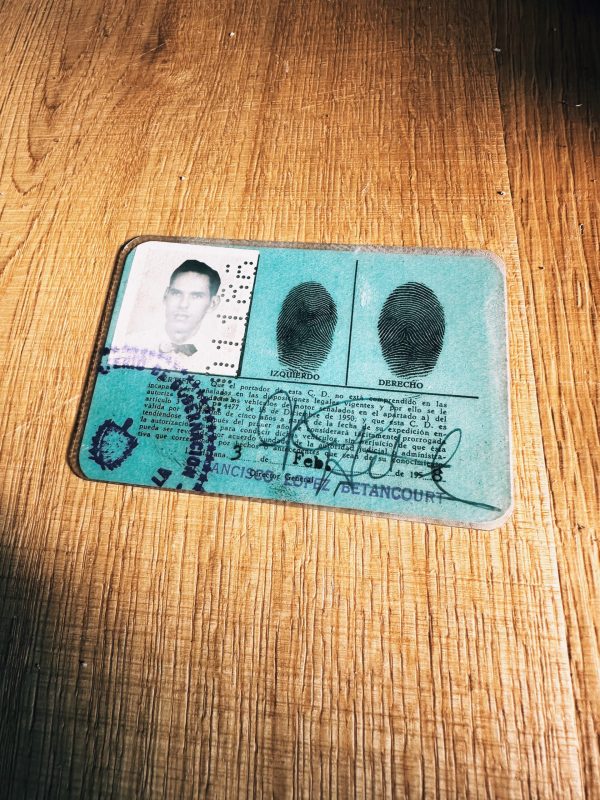
When I think about my father, Cuba, and the exodus that occurred immediately following the Cuban revolution I’m often left feeling disquietly untethered. A vibrant, sensual, admittedly machismo culture, broken by a war of their own people — the results of which feel, even to this day, oddly unfinished. On the island, if one is to believe the graffiti, the revolution is still happening, though of course it isn’t. For those who left, there’s a cloying inclination to inhabit a memory of a Cuba that too no longer exists. When I was younger, it made it really difficult to make sense of my father and the culture. The line between pride and shame often felt too fluid for comfort.
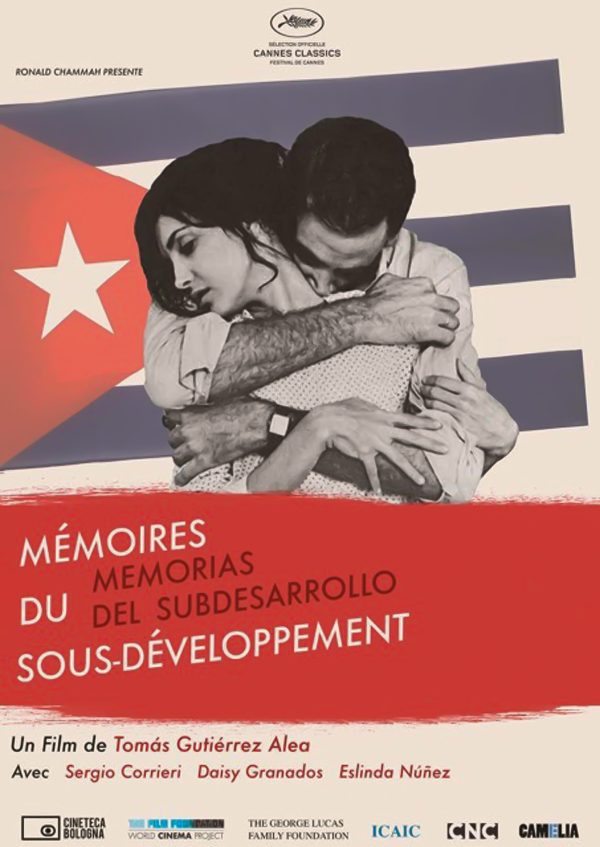
In my late 30s, I saw Memorias del Subdesarrollo, a film set in the immediate aftermath of the revolution, and it was as if a long-lost door had been unlocked. The chaos of the time is evocatively captured in the film’s experimental non-linear structure, which intercuts narrative scenes with b-roll of protests, the Cuban missile crisis, and Castro. I saw some of my father in the tragic main character, Sergio, who despite being part of the intellectual class, stays behind in Cuba abandoning his wife and kids who’ve left for America. Left alone, he spirals, drawn into an ill-fated relationship with a young, unstable woman and ultimately into trouble with the law. Sergio doesn’t know how to behave in the new world he finds himself in, maybe he doesn’t know he’s in one. There was a bit of that in my father, and with the world changing the way it is, I wonder sometimes if there’s a bit in me as well.
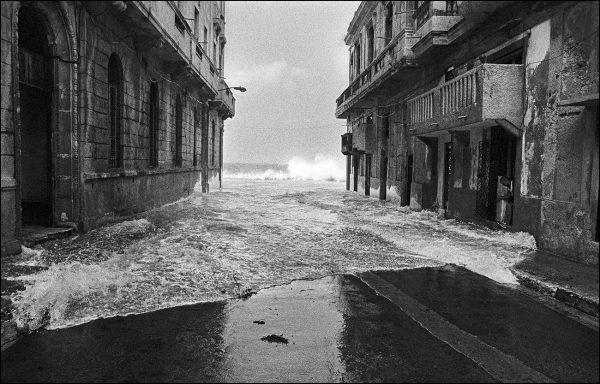
The final photograph Malecón Habenero by Cuban photographer Raúl Cañibano illustrates a changing world: the ocean pressing its way into the city. For me, it’s a powerful metaphor — sometimes we’re simply swept up in the tide, in la marea.
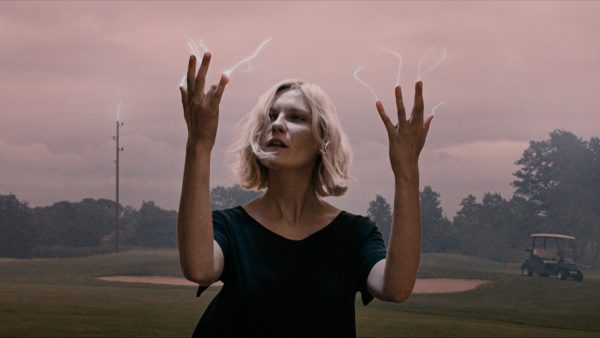
Melancholia by Lars Von Trier is one of my all-time favorite films. I think for most of us who’ve seen it, one of the most fascinating parts of the film occurs after the end of the world becomes certain. Kirsten Dunst is seemingly resigned to the inevitable while Charlotte Gainsbourg’s character remains stricken with fear right up ‘til the very end. Dunst’s stoic submission always struck me as logical and admirable.
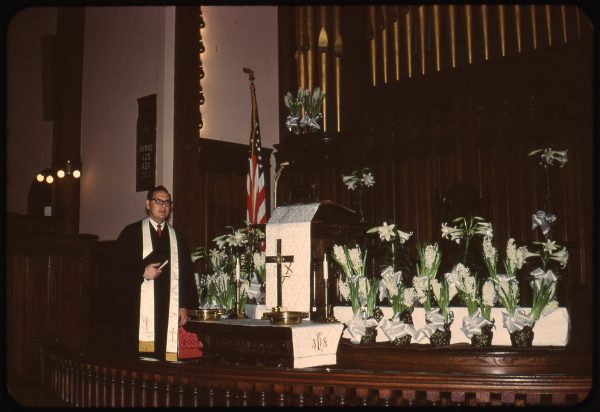
My father was a Methodist minister and so for me, words like resignation, submission, apocalypse, will always take on an ecumenical connotation. It can’t be argued that most people who emigrate feel little choice, therefore “resigning” themselves to leave. The hope is that they leave for a better life, and that very thought is an act of faith. Without faith, everything is a gamble.
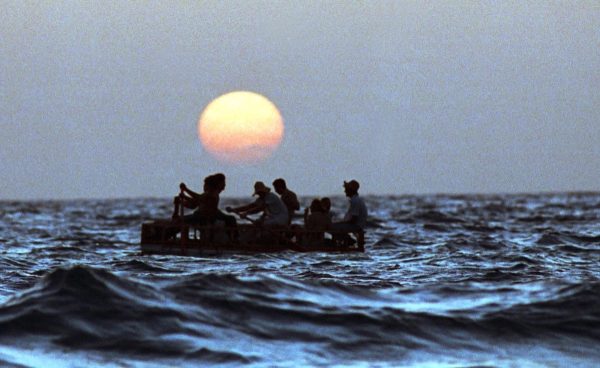
The last photo is one of Cuban refugees leaving for Florida by raft in the mid-‘90s shot by AP photographer, Jose Goitia. As a child I remember these moments very well, particularly the story of Elián Gonzáles who was found alone in an inner tube after his mother and her partner drowned — oddly enough, he’s a Cuban politician now. Nevertheless, the image of the raft lodged itself in my memory and became the central metaphor of the album.
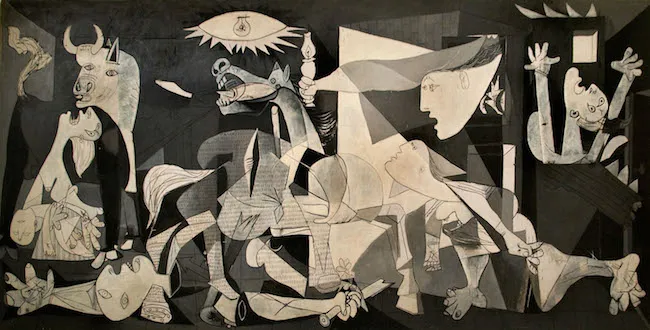
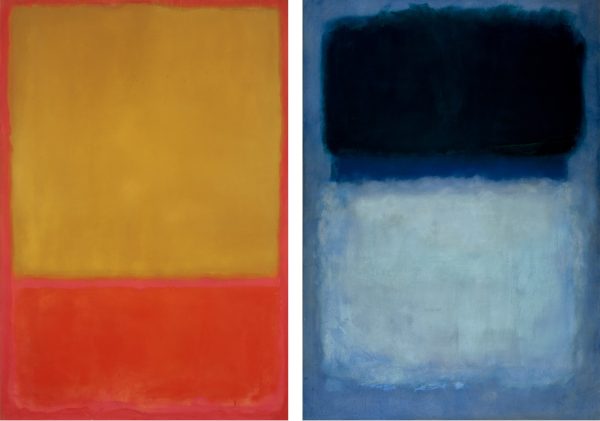
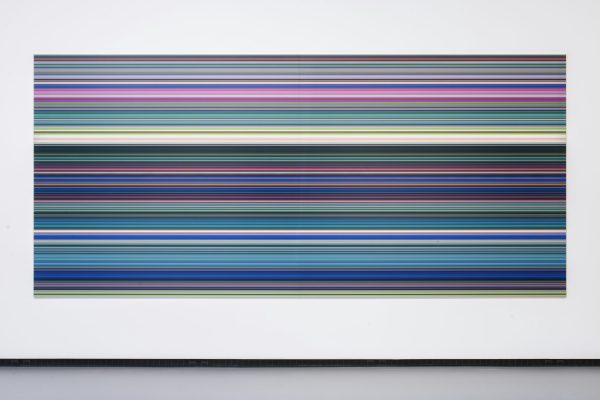

Paintings have always been an important source of inspiration in my work, not only to serve as a visual representation of an idea, but also as a guide for different compositional approaches and techniques. Picasso’s Guernica, which was painted in response to the Nazi’s bombing of the Basque city of Guernica in 1937, was subsequently used to bring attention to the Spanish Civil War. The jagged black and white painting always struck me as being suggestive of folk art, and I always appreciated how one figure collapsed into another in Cubistic fashion. The opening track, “Sima,” was born from that spirit. Though the piece ultimately became more impressionistic, the folding of one idea into another, and its folksy essence, remained.
The Mark Rothko and Gerhard Richter paintings were equally important. They guided not only the ambient quality of the record but also directly informed “Tersura.” The piece ends with three parallel musical gestures: three overdubbed string orchestrations, each undulating distinctly, overlapping one another like ripples in water. The result is a sonic colorfield — an homage to these two painters whose abstractions shaped its form.
The final image is a classic example of traditional Japanese ink wash painting, created by Hasegawa Tōhaku in the late 16th century. This art form profoundly influenced my performance style, compositions, and ultimately my entire approach to production. It inspired me to think of the bow as a brush — each stroke carrying intention and contributing to a larger, unified work. It also led me to consider depth and distance as tools: a way of drawing certain figures into the listener’s immediate focus while embedding subtle details and hidden textures further back. Ink wash paintings also embody a beautiful paradox — the minimal can be incredibly ornate.