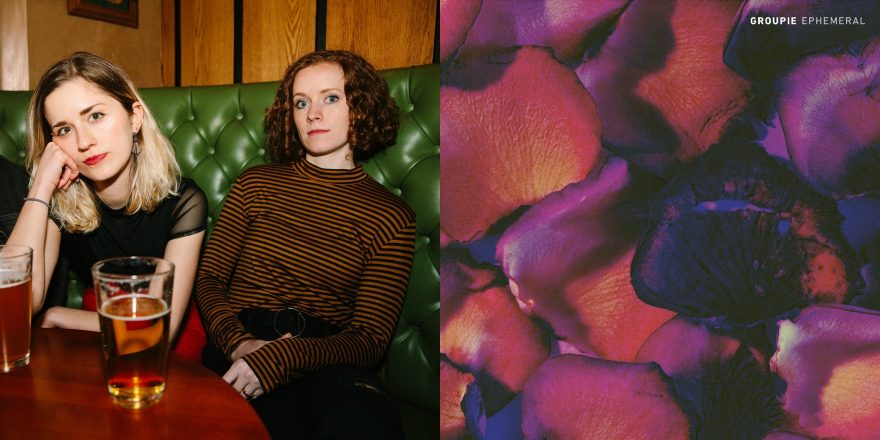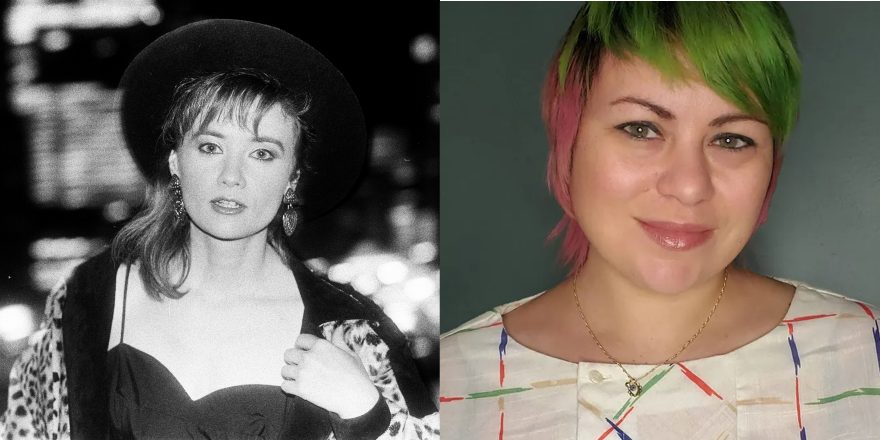


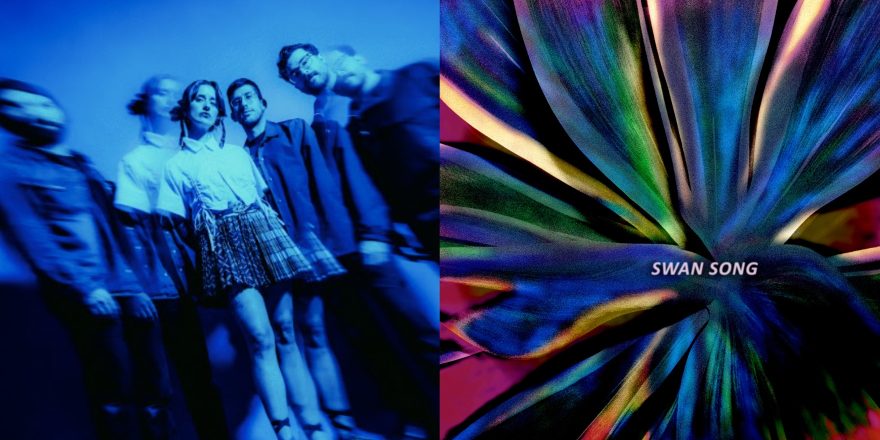

Groupie is a Brooklyn-based band known for turning introspection into kinetic, cathartic sound. Their music fuses the emotional edge of punk with the immersive textures of shoegaze and dream pop — sharp, shimmering, and unafraid of vulnerability. Groupie has become a mainstay in NYC’s indie scene with a sound that merges dream pop sheen and punk urgency. Since the release of their debut album Ephemeral in 2021, they have shared the stage with indie greats like Warpaint, Silversun Pickups, Neon Trees, and many more. Led by bassist and frontwoman Ashley Kossakowski, a queer, first-generation daughter of Polish immigrants, and joined by drummer Aaron Silberstein, and guitarists Eric Rubin and Eamon Lebow, the band’s evolution from the raw immediacy of their debut Ephemeral to their upcoming sophomore album reflects a sound fully in bloom — cinematic in scope, but deeply human at its core.
A plant’s story rooted itself in my mind years ago. I didn’t realize it then, but its themes of death and renewal would eventually inspire me to write “Swan Song.”
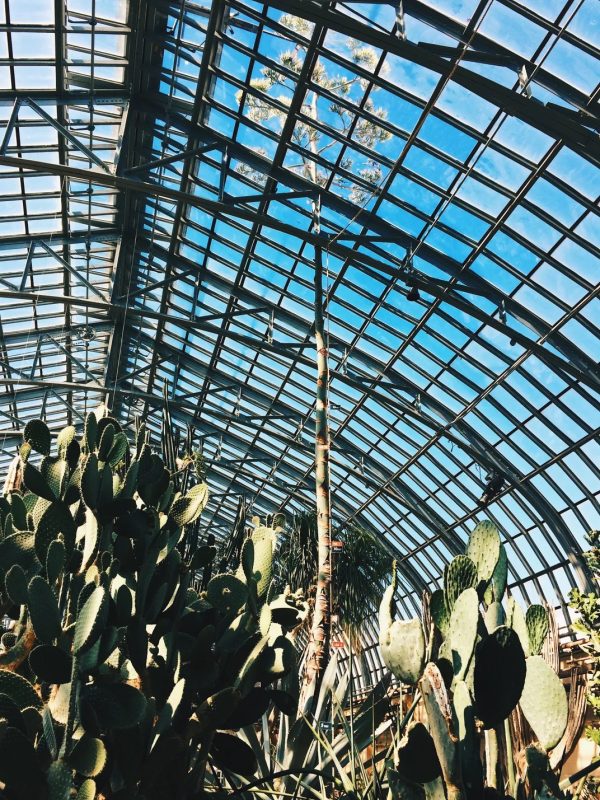
Agave plants bloom only once, at the very end of their lives. This rare and final flowering is known as a death bloom — a last, dramatic act before the plant dies. At Garfield Park Conservatory, in my hometown of Chicago, an agave plant named Mayahuel (or Maya for short) bloomed once at the end of its 60 year life in 2021. The bloom grew 38 feet in the air and was so forceful it broke through the (literal) glass ceiling above it.
It’s unsettling to consider that growth and dissolution can be intertwined, that something can reach its most powerful state at the exact moment that it is ending. Kinda like how after a breakup, in order to grow, you have to leave something behind.
That contradiction, growth and ending happening at once, stayed with me. Over time, it became more than an idea; it became a framework for understanding my own experiences. More specifically, it became a way for me to think about coping with my anxiety.
When I’m not making music, my work is in sustainability. Recently, I’ve found myself connecting those worlds more and more, drawing inspiration from nature for our music. For example, one of the songs on our first LP Ephemeral is called “Industry.” The concept for that song came from these little depression walks I used to take along the flower block in Manhattan, 28th between 6th and 7th, when I worked nearby. For the music video, my best friend Vrinda and I leaned into that imagery, making a flower dress and filming both on the block and in a sunflower field.
I think that’s why I couldn’t stop coming back to the idea of the death bloom, especially the image of Maya breaking through the conservatory ceiling. It started to feel less like a cool plant fact and more like a metaphor I couldn’t shake. What does it actually look like to put all your energy into change?
Around the same time, I was struggling a lot with anxiety and depression; both were amplified during the pandemic. A lot of small things kept adding up. My social anxiety got to a point where being in group situations felt almost unbearable. I had trouble conveying my ideas and speaking up. I also noticed that sometimes my anxiety on stage would cause me to mess up. I was not being kind to myself or my abilities, nor honoring all that I’ve accomplished. If you’re a fan of Drag Race, you know RuPaul calls that your inner saboteur — “If you can’t love yourself, how the hell you gonna love somebody else?” It felt like I was at a turning point, whether I liked it or not.
I started to recognize a similar pattern: something gathering beneath the surface until it had to move, like pressure turning into momentum. I had to make a decision about managing my anxiety, and that’s where the metaphor of the death bloom came into focus. Transformation is active, not passive — if I wanted to exist in a world where my anxiety was manageable, I’d have to actively make changes in my life.
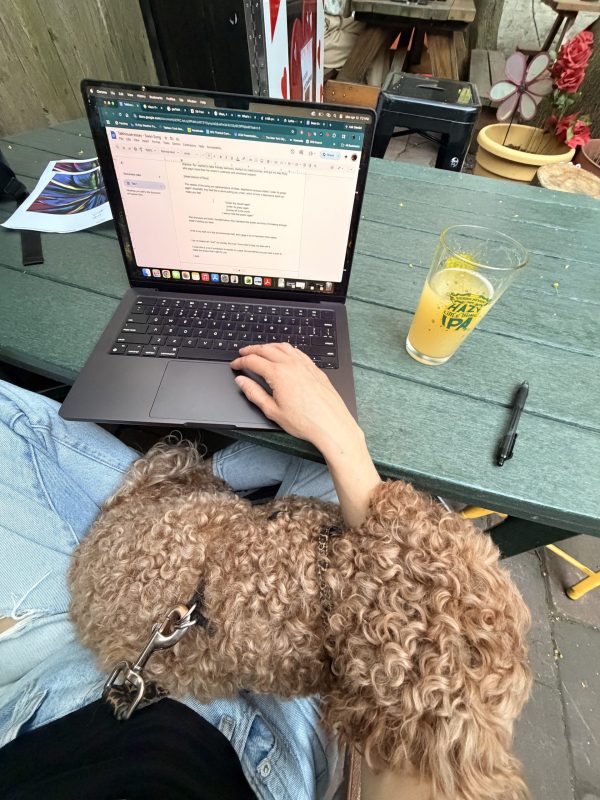
So I did. I started to take therapy seriously, started my meds journey, and got my dog Roxy, who pays more than her share of rent in cuteness and emotional support.

I started learning and implementing tools to help me move forward. One of those tools (of course) is writing music.
While writing “Swan Song,” we stopped trying to resolve the feeling of tension preceding change, and instead followed it. Groupie’s guitarist Eric Rubin had the idea for a song that begins in stillness and then expands into something more unstable and more insistent. It doesn’t arrive at clarity so much as it pushes through it; that moment when something contained becomes unsustainable. Our drummer Aaron Silberstein drives the song forward with precise rhythmic punctuation, while our guitarist Eamon Lebow’s signature guitar lines — minimal, almost restrained — hold the song together and cut straight through you.
The first verse of “Swan Song” represents depressive, anxious spells, reinforced musically with washy vocals and easy flowing, steady drums underneath swirling guitars. It feels like a wave pulling you under.
“Under the clouds again
Under its grasp again
Closing off to the world
I wanna feel that power again”
The choruses are brash and unrelenting; they represent the power and force of breaking through what’s holding you back. The line, “Let it take control of you,” isn’t meant as a surrender, but instead as recognition that some forms of change don’t happen gently.
“Oh, agave death bloom
Let it take control of you
Like a swan song
Again again again again”
The song isn’t entirely forward-looking. The post-chorus takes a moment to honor life before catharsis too. The need for transformation can come from a lot of different places, informed by trauma and experience. Those versions of yourself deserve acknowledgement too.
“What happened before you found your strength?
What did you look like before you found your freedom?”
The raw intensity of the post chorus makes way for more contemplative appreciation of the natural world’s inherent beauty in the second verse, grounding itself in the mundane:
I remember the plants greeting the sunrise
Motions of tenderness
Of ordinary life and love
I am but earth and water
My thoughts are fleeting and my fingerprints temporary
We can never know permanence
The image of the glass ceiling that the bloom broke stayed with me and made its way into the visuals for the album.
We used real footage of an agave plant blooming, layered with psychedelic edits of the band, shot by the incredibly talented Gabrielle Ravet and João Lutz. My close friend and filmmaker Matt Carlson edited the video, and we agreed to push the visuals as far as they could go, letting them fracture and evolve, echoing each stage of transformation and the emotions tied to it.
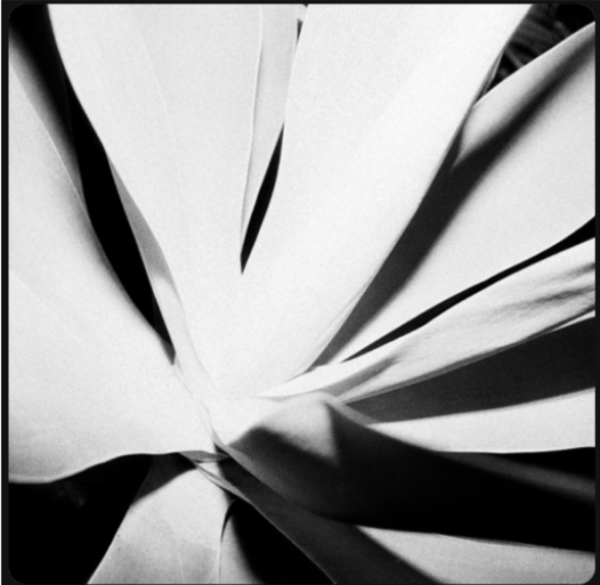
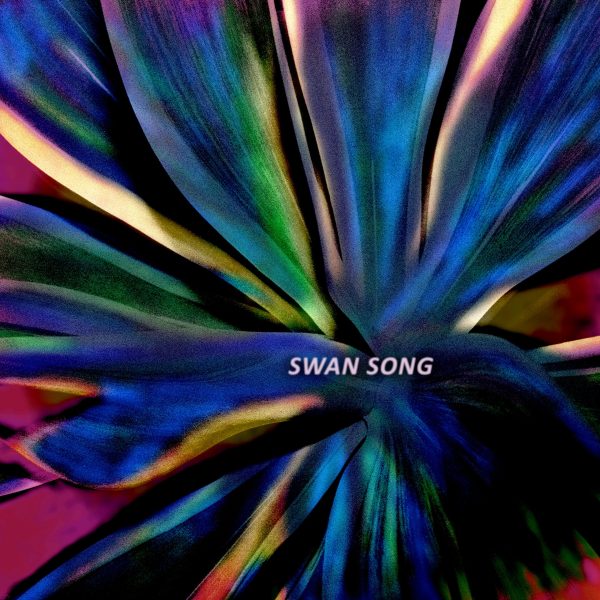
The single artwork began with a film photo I took of agave plants at the New York Botanical Garden. From there, my amazing friend, former bandmate, and Groupie co-founder Johanna Healy reimagined the image, shifting it into the colors the song evokes and pushing it to feel like it’s bursting through something. The way the agave breaks through the magenta, paired with the dynamic, curving lines, reflects the song’s endeavor to change and push against the glass ceiling. Johanna also designed our past album artwork, which similarly drew from floral imagery.
This is the first song we wrote for our sophomore album, which will be released early next year. The album continues our meditations on the fleeting nature of confidence, relationships, and identity from our debut LP Ephemeral. Our sophomore LP will lean into the strange beauty of change, one that will hopefully capture what it means to keep moving forward, even as the past continues to flicker in the rearview.
By no means am I “over” my anxiety. But now I have tools to help me deal with it. “Swan Song” is a document of that process. It lives somewhere in the point where pressure becomes movement, where something breaks open, and where change, whether you want it or not, is already underway.