

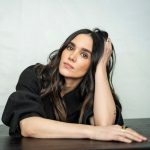
Samantha Smart is an actress, writer, and producer whose debut feature, Charliebird, received the Founders Award for Best U.S. Narrative Feature at the 2025 Tribeca Festival and will be released by Freestyle Releasing beginning February 27th. Smart can also be seen in the Academy Award–nominated live-action short Jane Austen’s Period Drama, executive produced by Emma Thompson and directed by Julia Aks and Steve Pinder, currently playing in theaters. Following sold-out screenings at Tribeca and widespread critical acclaim, Charliebird went on to receive top jury honors at the SCAD Savannah Film Festival and the Coronado Island Film Festival, as well as the Marcello Petrozziello Award at the Lucca Film Festival. Smart’s acting credits include a recurring role in The CW’s Riverdale spin-off series Katy Keene, as well as a recurring role on CBS’s Bull. She has also appeared in guest-starring roles on Dear White People and God Friended Me. A graduate of Louisiana State University, Smart holds degrees in classical music and dance.
When Ludwig van Beethoven was 32, he wrote a letter addressed to his brothers that is widely known as the Heiligenstadt Testament. In it, he addressed many things, but particularly his sorrow over his growing deafness. Beethoven wrote the letter – punctuated by suicidal thoughts and his despair over what his deafness might mean for his music and his life – in 1802. It was published after his death in 1827.
I discovered the Heiligenstadt Testament in college, when I was studying music in Louisiana. I was taking a class titled “First Nights,” devoted to the world premieres of some of the greatest pieces of classical music ever made. We would study the history while rehearsing and performing the work. One of the pieces we studied was Beethoven’s Symphony No. 9 in D minor, Op. 125. Beethoven’s final complete symphony, it’s a work that concludes with a rapturous choral movement that is shattering both to hear and to sing in. This movement’s text is adapted from Friedrich Schiller’s poem “Ode to Joy.”
To say that I became obsessed with Beethoven would be an understatement. My roommates from that time can attest to how smitten I became with this piece of music, and with the composer himself. I found his letter to his brothers heartbreaking and inspiring – this man, wandering around a beautiful field, contemplating suicide, more than two decades before completing his ninth and final, masterful symphony. How could someone compose music like this without being able to hear it? It completely blew my mind. I loved thinking about how someone could have such instincts – and such trust in his instincts – that he could write those notes and know what they would sound like, without ever fully hearing them.
On May 7, 1824, at the premiere of the ninth symphony in Vienna, Beethoven was on stage, but the official conductor was Michael Umlauf, the theatre’s Kapellmeister. Beethoven stood to the side, setting the tempo for each movement; Umlauf was worried the “deaf Beethoven” would ruin the performance. During the fourth movement, a full chorus joined the stage, with four vocal soloists down front. The contralto soloist that evening was a woman named Caroline Unger, relatively unknown at the time. At the end of the symphony, the applause was enormous, the audience on their feet. Beethoven, of course, couldn’t hear it. Caroline walked over to him, and ever so gently turned him around, so he could see the audience and take in the response to his beautiful music.
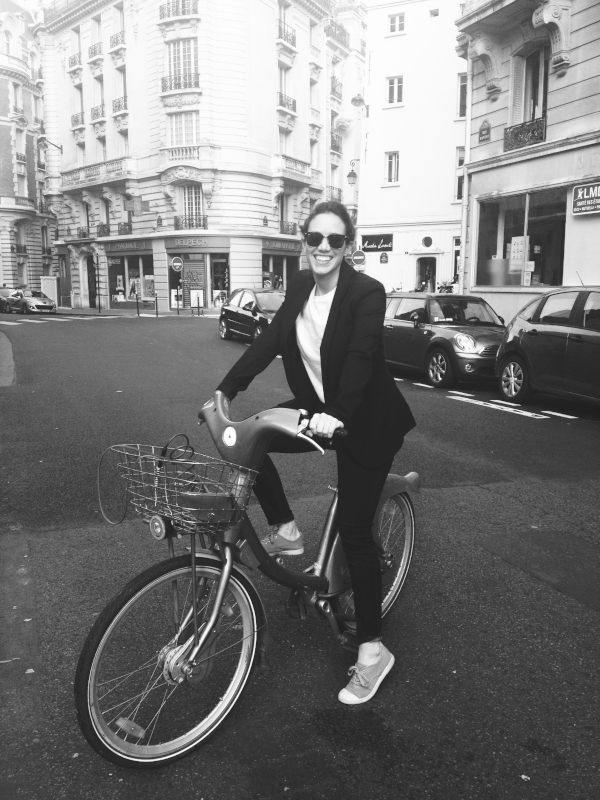
Our film Charliebird is not a symphony, and I am certainly no Beethoven. Indeed, I pivoted away from classical music into theater and film. After college, I moved to New York City and decided the city and I would figure each other out. She would teach me how to be in the world. I’d read the New Yorker, smoke cigarettes, shop in thrift stores and see foreign films. For a while, I took acting classes and read Tennessee Williams. Then I fell in love with a French guy and moved to Paris. I took classes in mime, Chekhov technique and clowning. I watched French cinema and realized I knew nothing. I auditioned for prestigious graduate acting programs and got into one, was waitlisted by a few others, and was rejected by most. I couldn’t afford the one I got into, so I moved on: I came back to New York and did off-off Broadway. I dyed my hair and discovered Asghar Farhadi and Michael Haneke. I saw Mark Rylance do Jerusalem and felt as if I’d been baptized as an actor. I also realized I had an enormous amount of work to do.
My familiar world of choir seemed far away. I knew I wanted to use my own body to tell stories, and standing straight in a choir didn’t fit the mood. Musical theater could have been a natural fit, but I wasn’t stimulated. I felt guilty for being more interested in living my life than being disciplined; I later learned you can do both. At the time, though, all I had was the lingering feeling that I had abandoned music, but started something I had no idea how to do. What I really wanted was to take the music that I heard, put it in my body, and create characters. I wanted to leave myself! What I felt like was a fraud; I wasn’t a real musician, I wasn’t a real actor, I didn’t practice dance enough. I was something in between.
As it turns out, “in between” was what I needed to be: I’m not sure I could have written Charliebird without my music background. I definitely couldn’t have played the part of Al without it. And while the interdisciplinary approach to my work can feel chaotic to me, I hope I can continue to let those multiple forms inform what and how I create. I wrote the screenplay in tiny rooms in several little cities during the pandemic, lost and grief-stricken and heartbroken and alive. I felt alone, but the characters and story gave me comfort: A young woman named Al, working as a music therapist, meets a defiant teenager named Charlie and in the sterile confines of a hospital, they change each other forever. It was a simple story on the page and everyone who agreed to make this understood its tenderness.
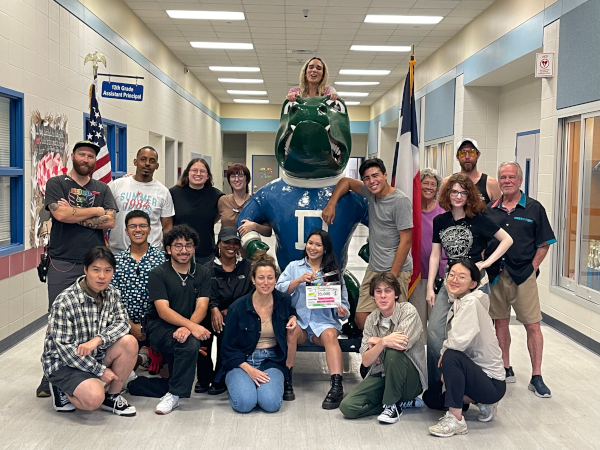
But you can’t make a movie by yourself. For this film, we weren’t an orchestra, chorus and soloists. We were a team. That collaboration is when the real magic began. I called upon my hometown, friends and family to help. Everyone who worked on this film poured their life into it. We shot it all in 14 days, and then it was over; the circus left town. I suppose my time as a choir nerd had led me to this: All of the voices matter, and the sum is greater than the parts.
When we found out Tribeca wanted our world premiere, I was stunned. It didn’t seem real. I didn’t think that kind of thing happened anymore – that you could make a real indie film and somehow magically get into a life-changing festival without any connections. I hope anyone
reading this who feels jaded about the industry will come to know that you can make something from your heart and still move forward. The film we made is about grief, but it is also about what it means to live, what it means to care for people and to care for yourself at the same time. It’s about creative arts therapy and how music can heal our bodies. They’re not just musical notes; you can feel them without hearing them.
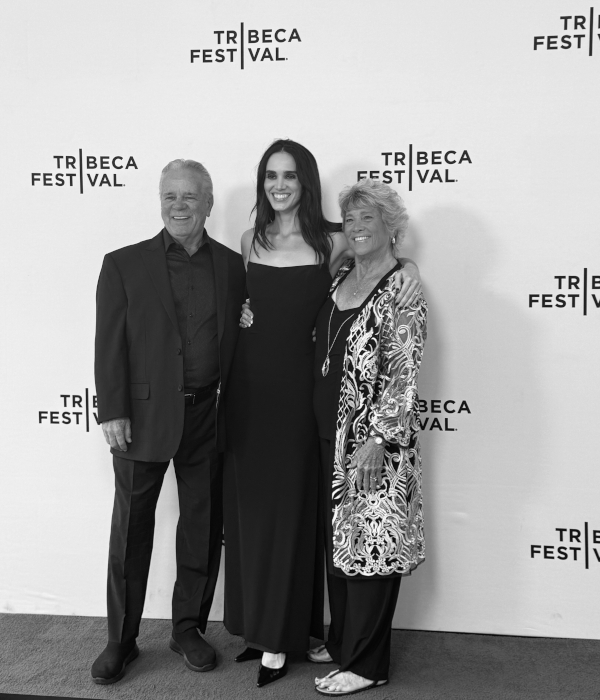
In late summer, as this film found its way onto the public stage, my father passed away unexpectedly. I was and remain shattered into a million pieces; my compass now gone. And yet, I can’t help but think about how much he was embedded into this film. Before he died, he had lost quite a bit of his hearing. He didn’t let it slow him down, but I could tell it hurt him. Music was such a big part of his life. He was more of a Beatles fan than a Beethoven buff, to be sure, but it didn’t matter; his love for a grand finale or a hard-hitting chorus influenced me all the same. When he saw Charliebird at our world premiere, our first night, I was worried that he wouldn’t be able to hear it, that he would miss little things that were in the script that had been inspired by him.
When I hugged him goodbye that evening, I asked him if he liked it. Did he hear it OK? He hugged me, and then gently turned me around to show me the faces of everyone who had seen the film and loved it. He wanted me to take it in.
I didn’t need to hear it, sweetheart,” he said. “I knew every word.”
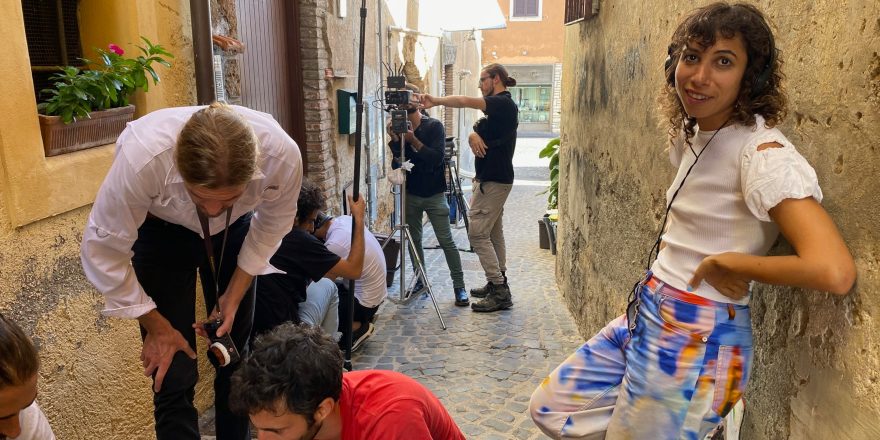
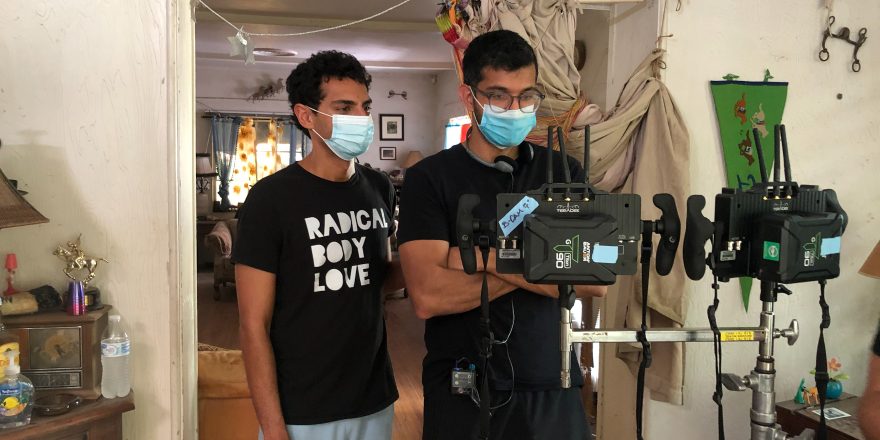
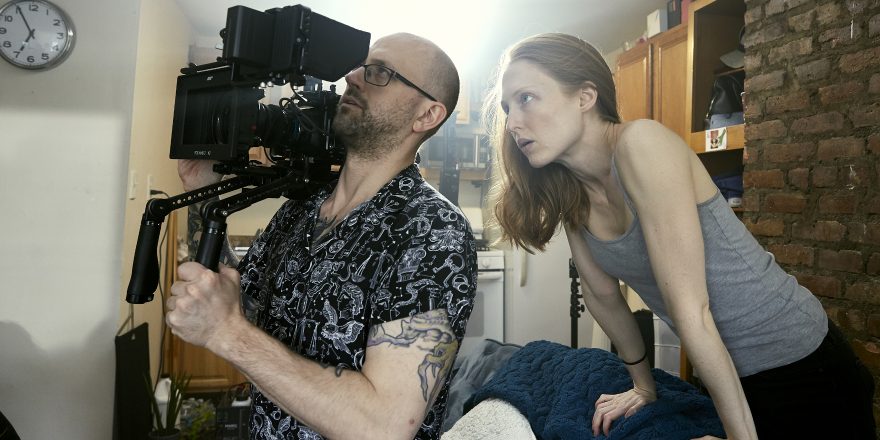
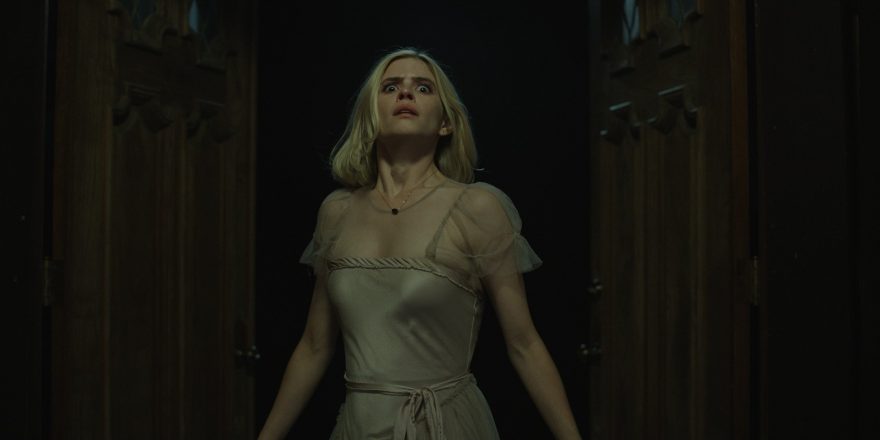
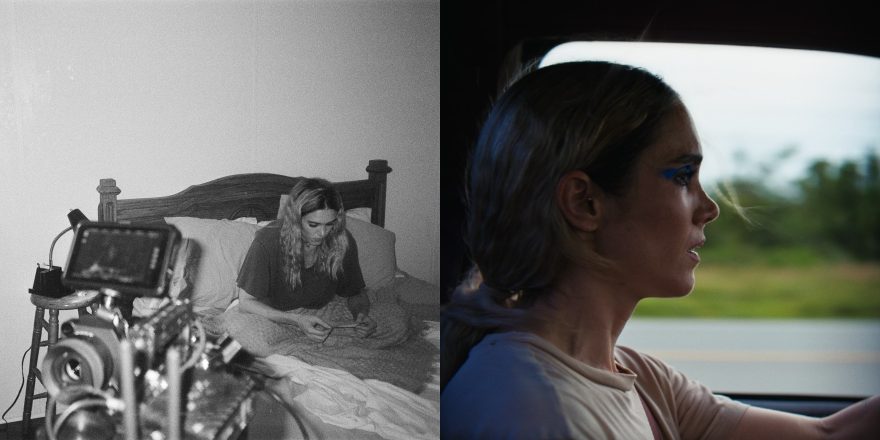
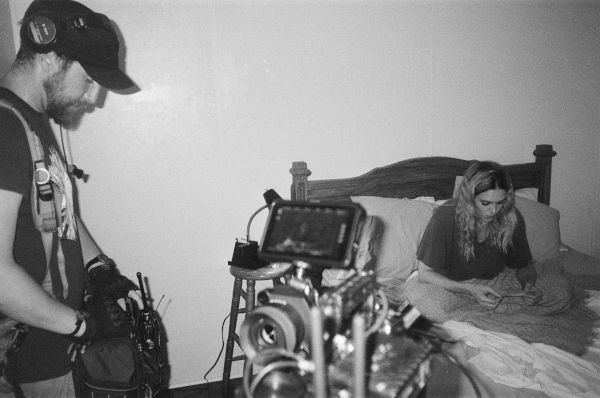
Featured image shows Samantha Smart on the set of Charliebird (left) and playing the role of Al in the film (right).