In the 1980s, when I was a child, Japan was experiencing remarkable economic growth after achieving postwar reconstruction, entering a period of prosperity known as the “bubble economy.” Excessive consumer spending was encouraged in an atmosphere of revelry. It was an era when everyone worked desperately to catch up with and surpass the wealthy, progressive nations of the West, and when people believed that the future was bright. The internet hadn’t been invented yet, and foreign countries remained a distant, unknown world. The fascination with Western nations was at its peak, and we couldn’t get enough of American and European culture, art, music and cinema.
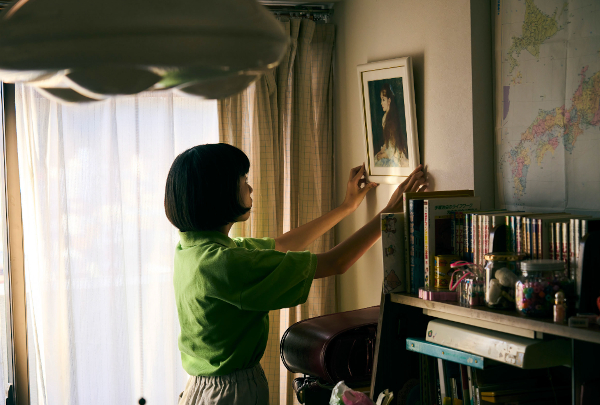
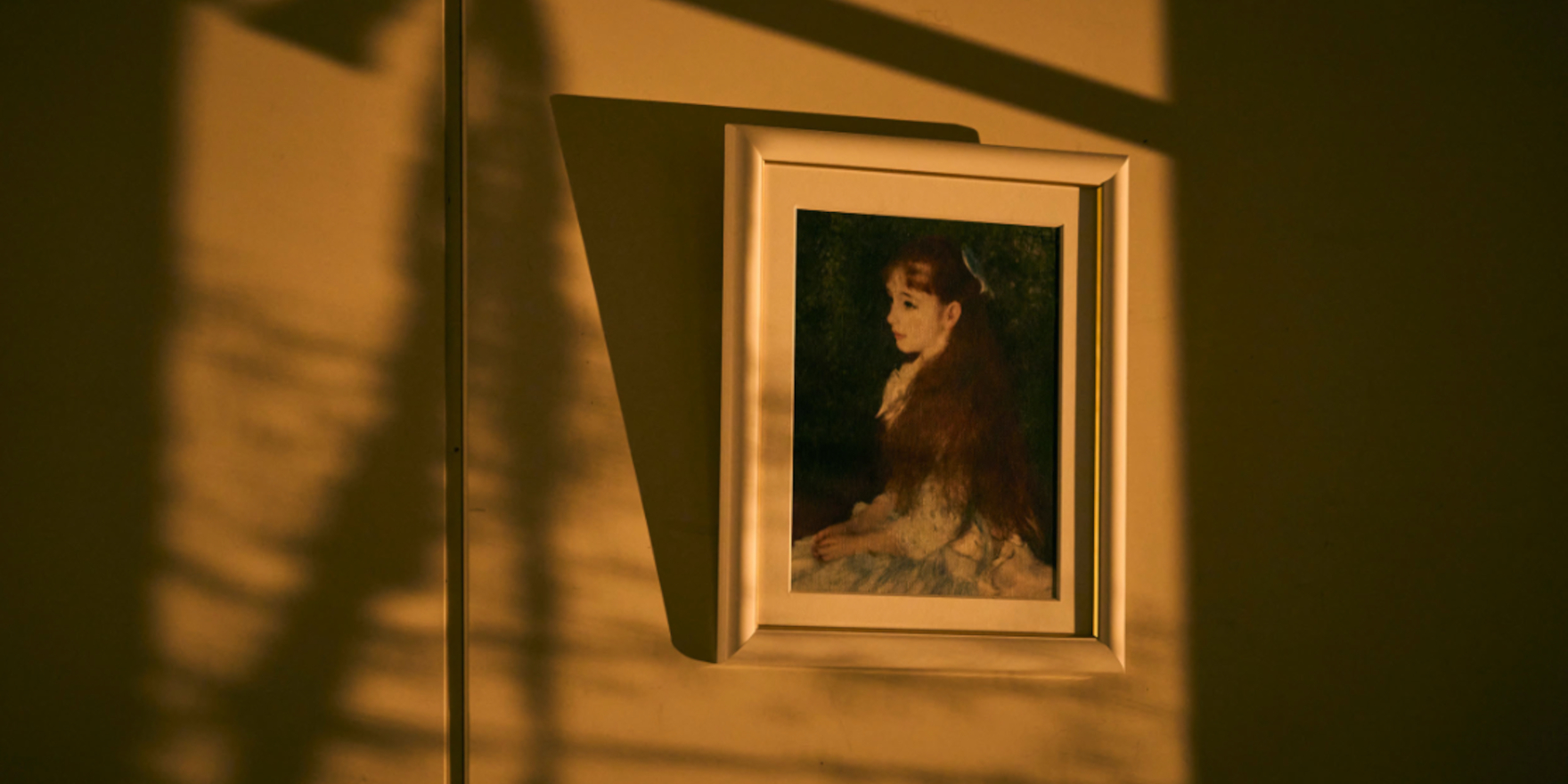
One of the trends among common people at the time was decorating their homes with replicas of famous Western paintings. Reproductions of masterpieces by the well-known painters like Van Gogh, Picasso and Monet were sold in department stores and by mail order, with the sales pitch, “Bring your favorite masterpieces into your home!” Replicas in cheap Gothic-style frames, hanging in small Japanese homes – often derided as “rabbit hutches” – seems quite comical in hindsight, but I, too, once begged my parents for one. I loved looking through books of Western art masterpieces lined up on my father’s bookshelf (where he also had collections of classical music and world literature, perhaps also in fashion at the time). My absolute favorite among them was Renoir’s Little Irene. One day, when I saw a full-page ad in the newspaper for a mail-order replica of that painting, my heart leapt with excitement. I believe the price was around 10,000 or 20,000 yen, which was a lot of money for a child like me. I timidly asked my father for it. Considering the fact that he owned many Yves Montand albums and LaserDiscs of classic French films like Children of Paradise, I assumed he had a particular fascination with France. He must have been delighted to hear that his elementary school-aged daughter was interested in a painting by the great French artist Renoir. The painting arrived at our house almost immediately. I was indescribably happy when I hung that painting on the wall of my room. Irene – what a lovely girl. With her fluffy hair, translucent white skin, elegant dress, and soft, delicate features, I was completely smitten.
Instead of hanging up an idol or anime poster, admiring a Renoir made me feel as though I had become more mature and sophisticated than my friends – and I felt proud of myself. My beloved Renoir. Even the very sound of the word “Impressionism” is so cool, isn’t it?
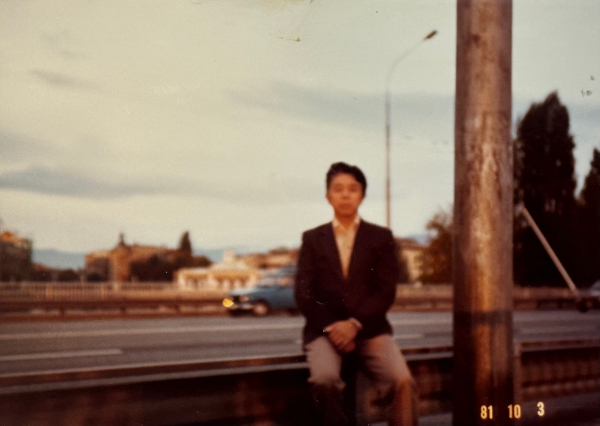
I have another memory related to my fascination with Western culture. When I was 15, I went on my first overseas trip with my parents to visit my older sister, who was studying in Australia. We joined a group tour with about 15 other people, accompanied by a Japanese guide. Seeing foreign cityscapes for the first time and encountering people whose appearances and mannerisms differed from those of Japanese was a fresh and exciting experience. While I enjoyed the trip – holding a koala, marveling at a gigantic beef steak, walking through a beautiful harbor – I had some kind of discomfort throughout. That uneasy feeling was caused by a sense of embarrassment. I felt ashamed to be among the Japanese tourists, all with cameras slung around their necks, moving as a group. Like elementary school students on a field trip, we followed in a line behind the tour guide holding a flag up high. Every time we went through security at a building, my father’s metal belt buckle set off the detector. Seeing him being treated roughly by the burly security guards broke my heart. In a country where he couldn’t speak the language, my father – tense and flustered – seemed so helpless. For some reason, when I saw him force a polite smile at a shop clerk, it made me feel like crying. As I struggled with a knife and fork over a massive beef steak amidst the sunny Australian cityscape, where everything seemed so big, my longing for the West mingled with a sense of inferiority about being Japanese. Even though I was traveling with my family, I felt homesick.
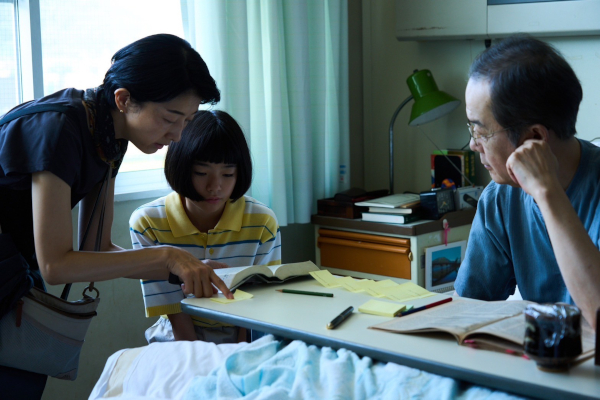
More than 30 years have passed. With the internet and Google Maps, information is readily available, and you can feel as if you’ve been somewhere without actually going there. Fewer Japanese are traveling abroad or studying overseas nowadays. Their longing for the West is not what it once was. They seem content with Japanese anime and J-pop music, and no longer yearn for the cultures of distant lands. Can we really say that people today, having lost their sense of longing and their curiosity about the unknown, are happy? I doubt it.
Little Irene now lies dormant in a closet at my parents’ house. When I look at this painting, I remember the young child I once was, captivated by the image of a beautiful French girl; and my father, who longed for the West and delightedly bought this fake painting for his daughter – all with a mix of poignancy and nostalgia.
Featured image, of Auguste Renoir's Portrait of Irène Cahen d'Anvers (aka Little Irene) in Chie Hayakawa's Renoir, is by Masahiro Miki; all images courtesy Chie Hayakawa.